
What is scuba diving?
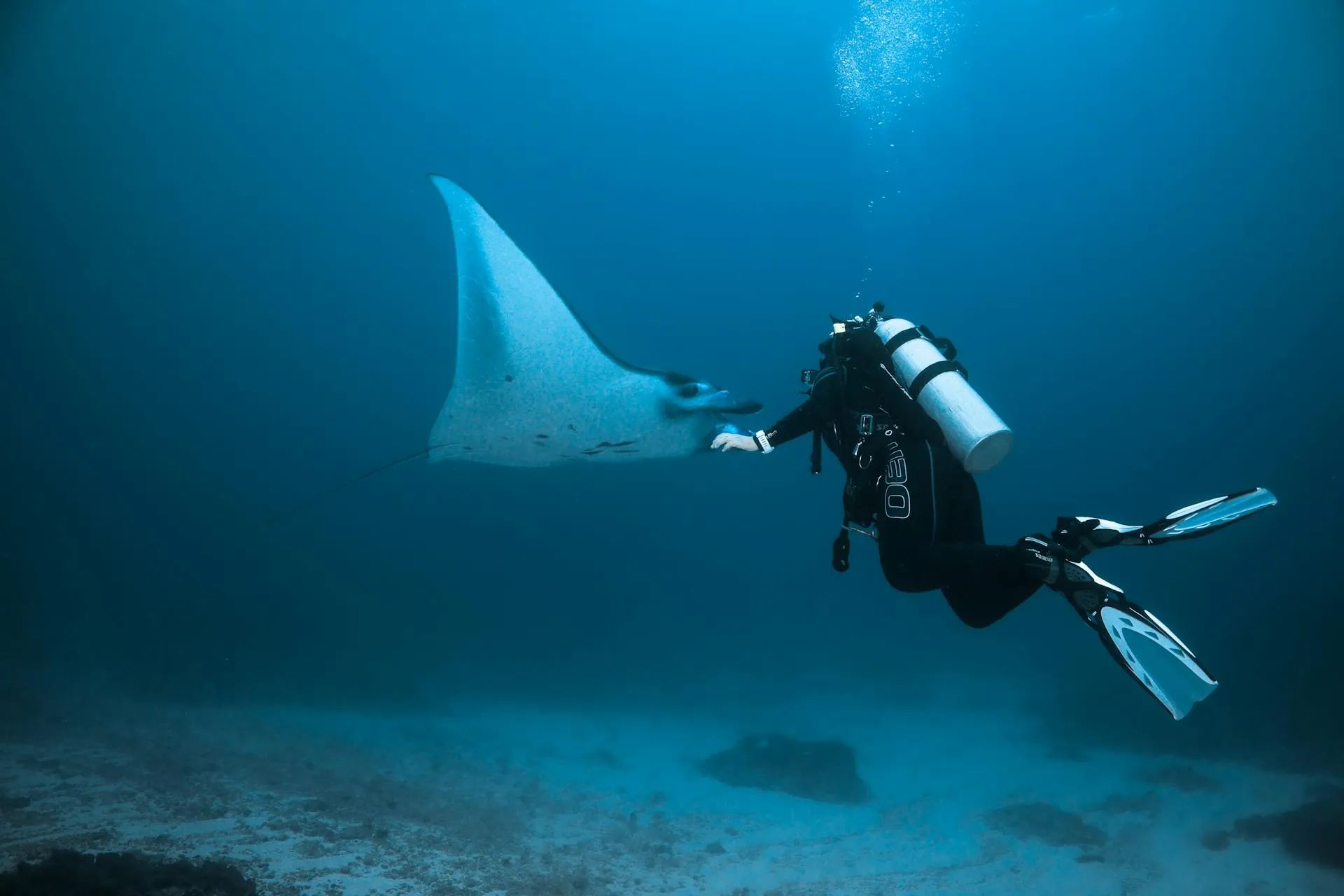
Scuba diving is the practice of underwater diving using specialized equipment that allows you to breathe while submerged. The word “SCUBA” stands for Self-Contained Underwater Breathing Apparatus. With proper training and gear, divers can explore depths far beyond what’s possible with snorkeling.
Why try scuba diving?
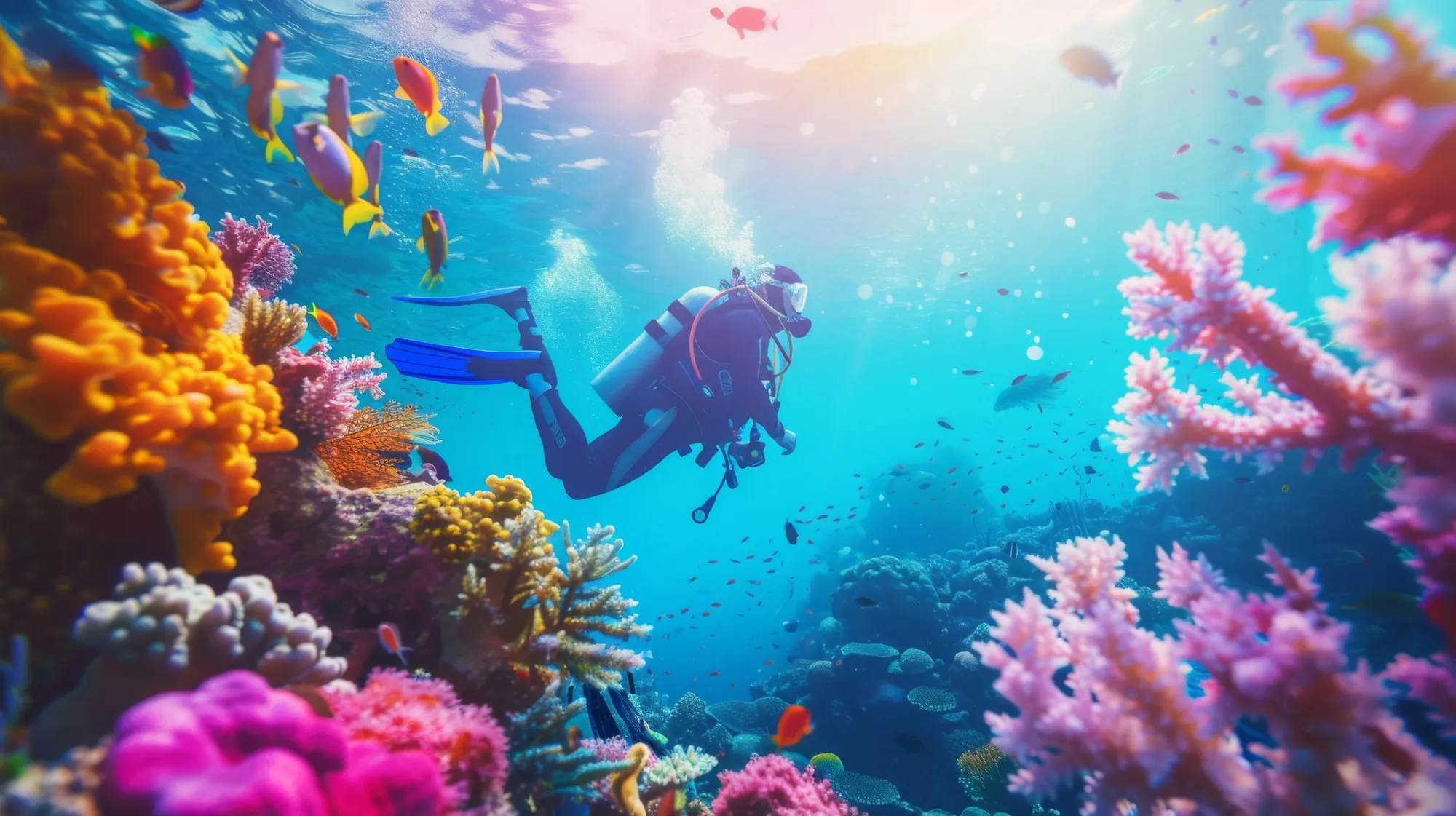
- Adventure & Exploration: Discover shipwrecks, reefs, and marine species up close.
- Relaxation: Slow breathing and weightlessness create a calming, almost meditative experience.
- Connection with Nature: Diving offers a new perspective on ocean ecosystems and conservation.
- Global Community: Scuba diving connects you with travelers and enthusiasts worldwide.
Getting certified
Before diving in open water, beginners should complete a certification course from a recognized organization such as PADI, SSI, or NAUI. Most beginner certifications include:
- Classroom or Online Learning – Understanding basic physics, safety, and dive theory
- Confined Water Training – Practicing skills in a pool or shallow water
- Open Water Dives – Real-world dives under instructor supervision
Once certified, you can dive anywhere your certification allows.
Essential scuba diving gear for beginners
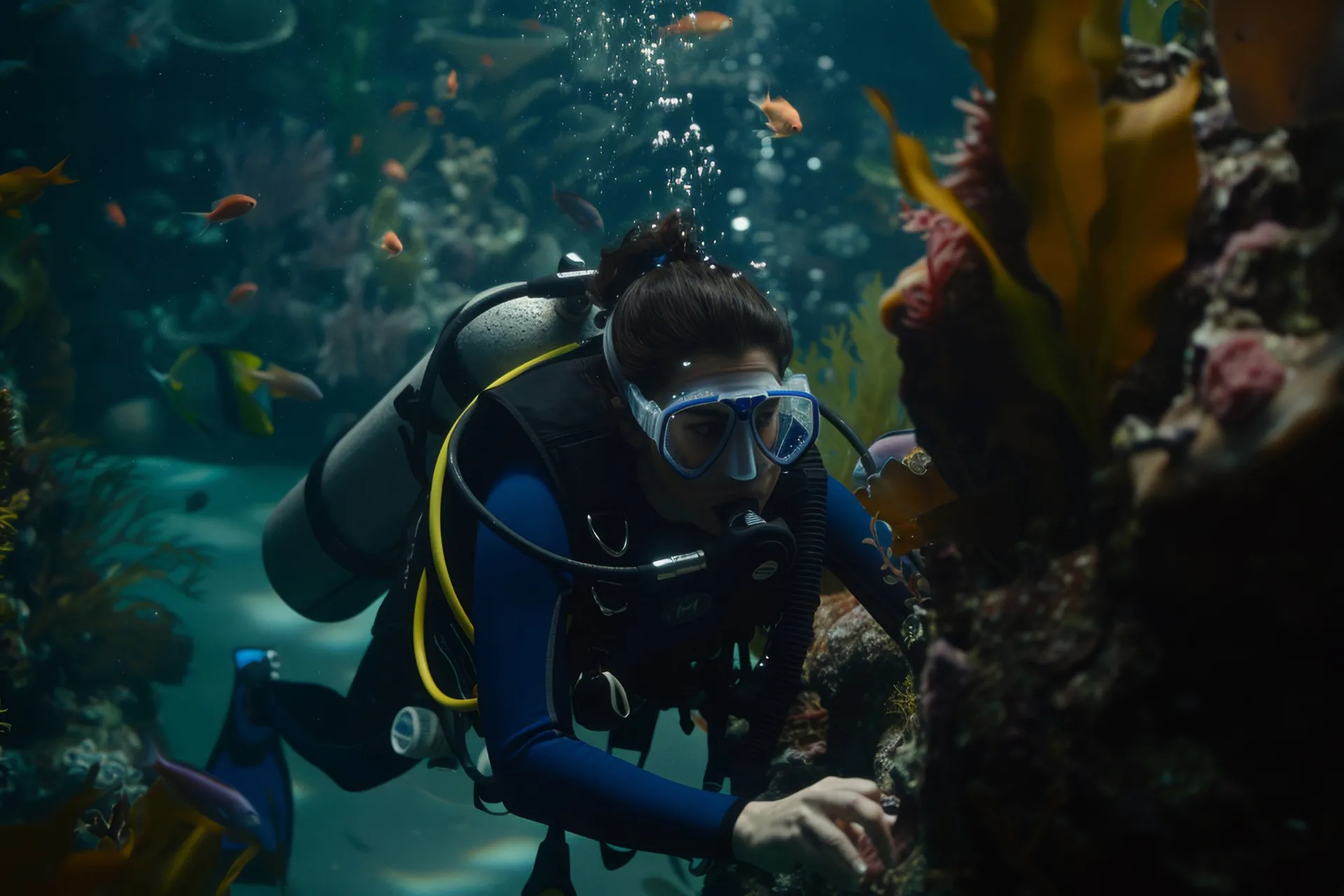
While dive centers often provide rentals, it’s helpful to understand the core equipment:
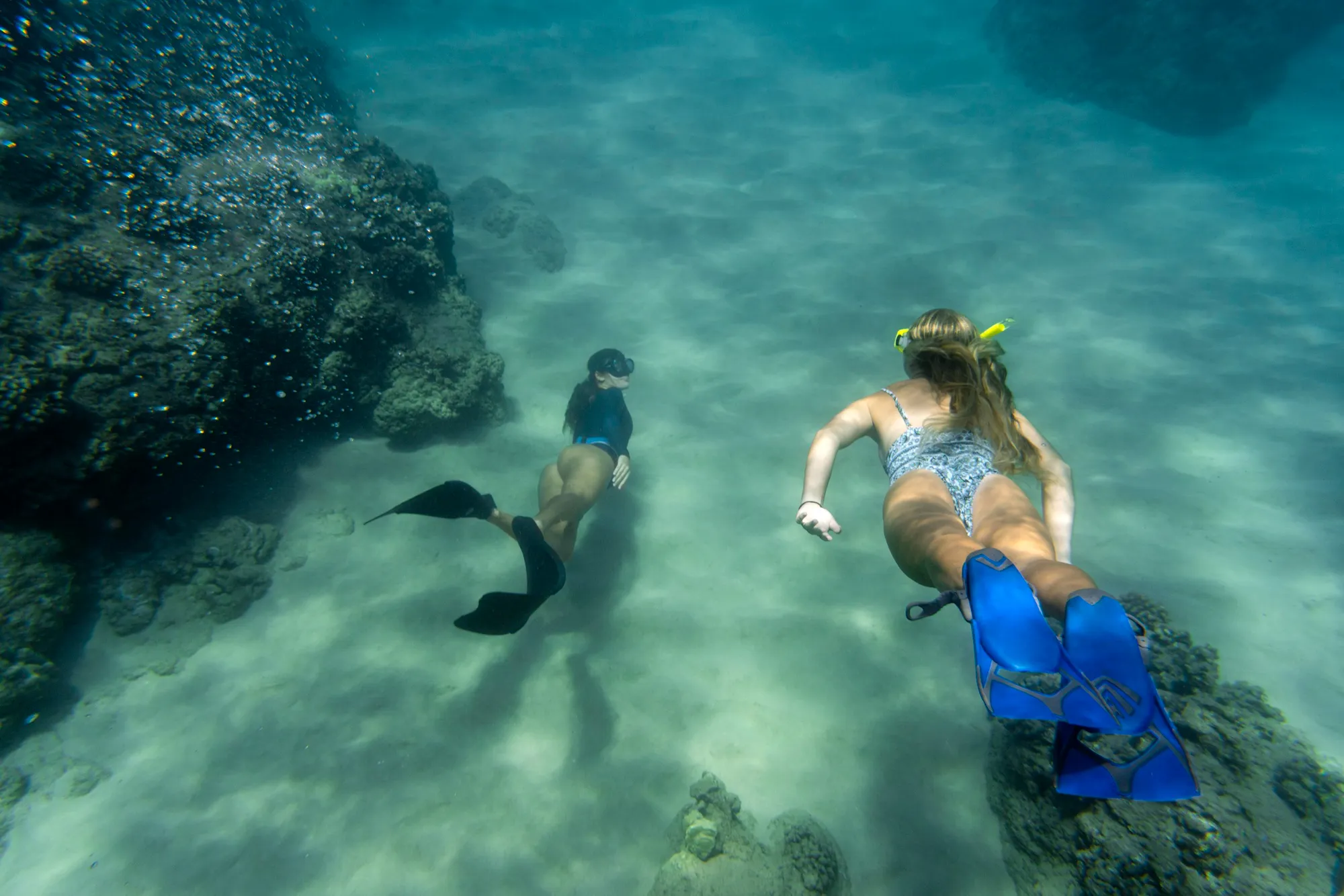
- Mask & Snorkel: For clear vision and surface breathing
- Fins: Help you move efficiently underwater
- Wetsuit or Drysuit: Provides warmth and protection
- Buoyancy Control Device (BCD): Helps you control your position in the water
- Regulator: Delivers air from the tank to you
- Tank: Stores compressed breathing air
As you gain experience, owning personal gear becomes more common.
Basic safety rules
Safety is central to scuba diving. Key beginner rules include:
- Never dive alone
- Always dive within your training limits
- Equalize pressure early and often
- Ascend slowly and never hold your breath
- Monitor air supply throughout the dive
Following these rules ensures enjoyable and safe dives.
Best beginner-friendly dive locations
Some locations are especially welcoming for new divers due to calm waters and good visibility:
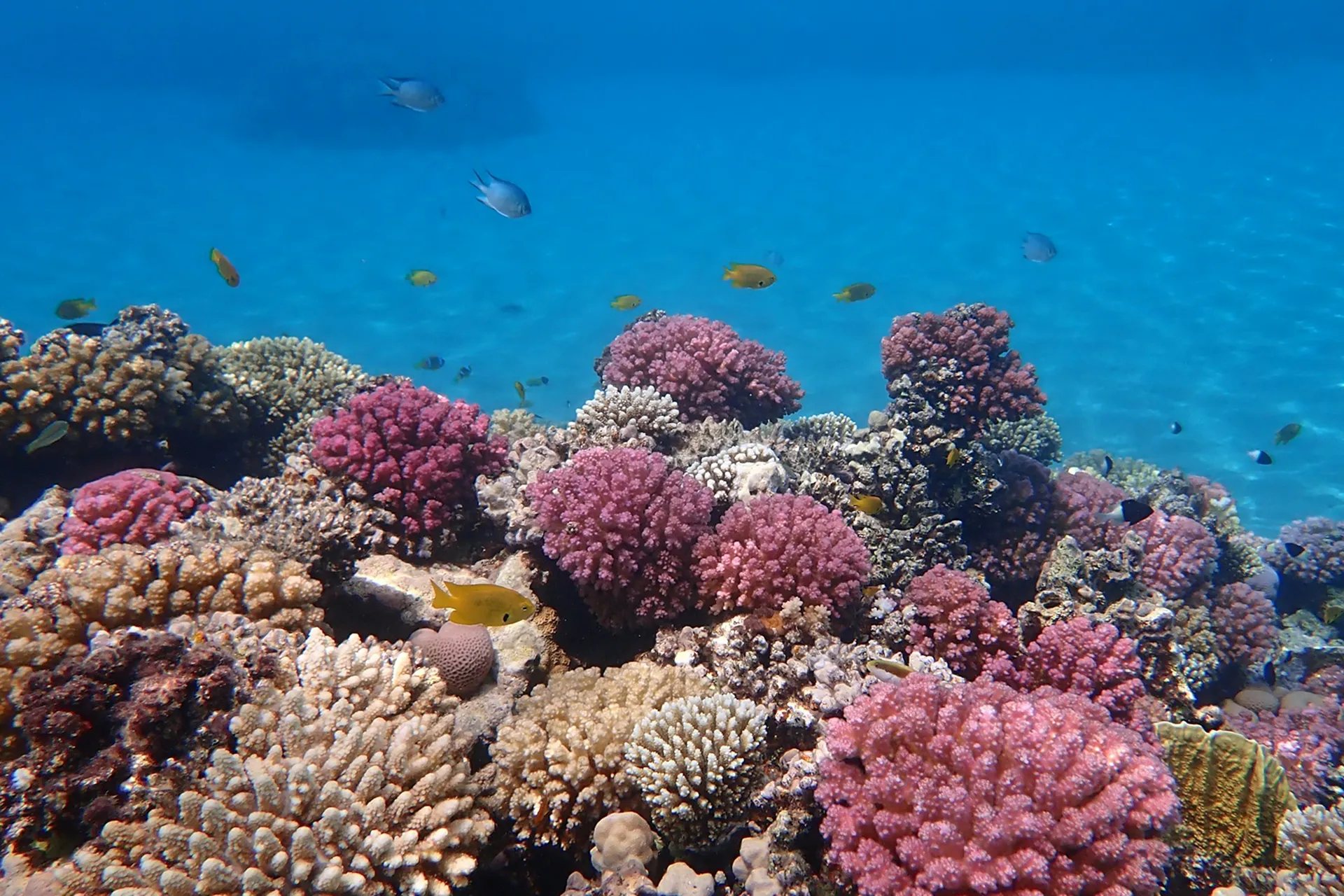
- The Caribbean – Warm water and vibrant reefs
- Hawaii – Clear visibility and diverse marine life
- The Maldives – Gentle currents and stunning coral formations
- Thailand – Affordable training and tropical conditions
What to expect on your first dive
It’s normal to feel a mix of excitement and nerves. During your first dives, instructors focus on comfort, basic skills, and enjoyment. Most beginners quickly adapt and feel amazed by the sense of weightlessness and quiet underwater world.
Scuba diving is an accessible and rewarding activity for beginners willing to learn and respect the ocean. With proper training, the right mindset, and a sense of curiosity, your first dive can be the beginning of a lifelong passion. The underwater world is waiting—one breath at a time.