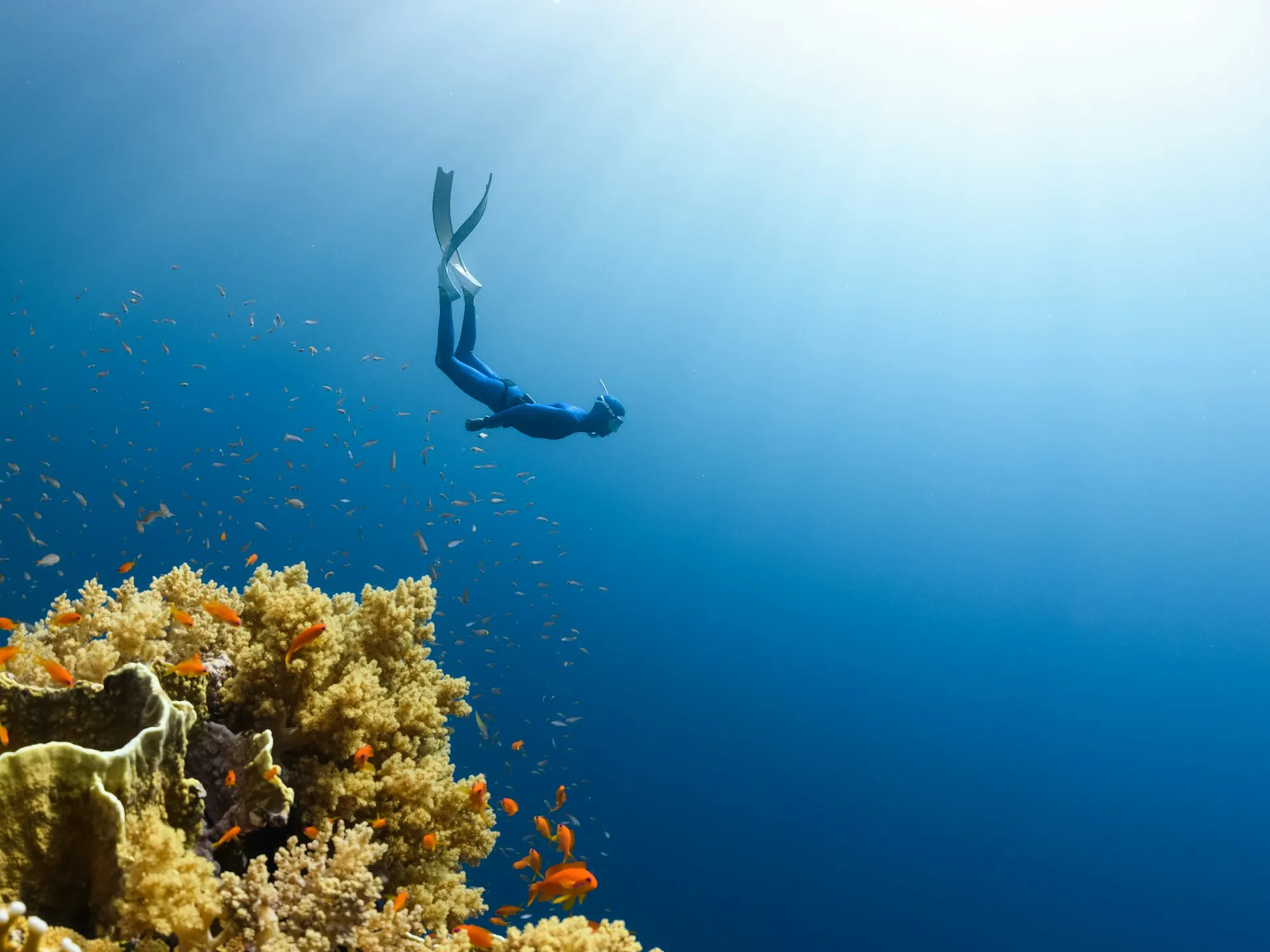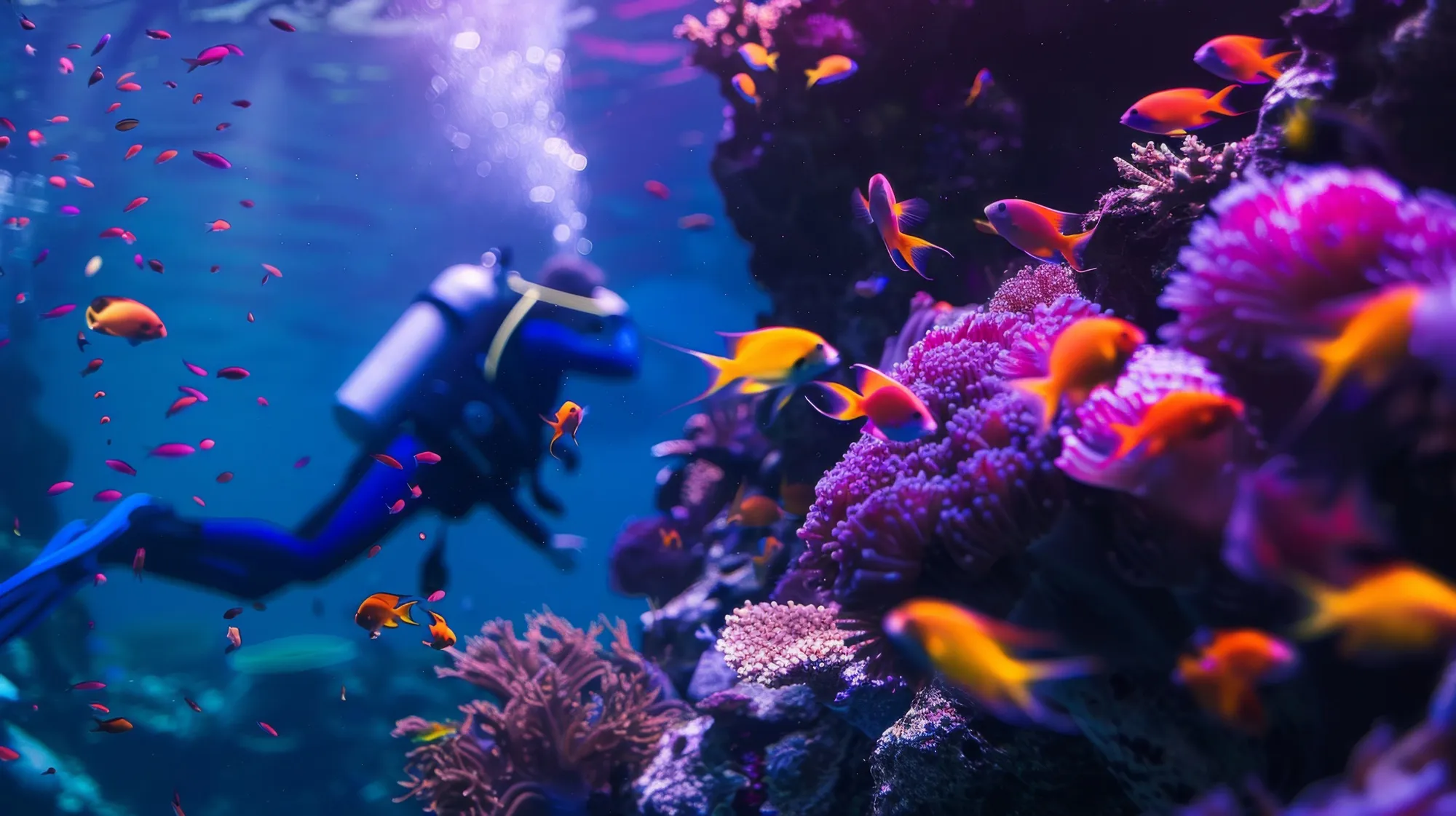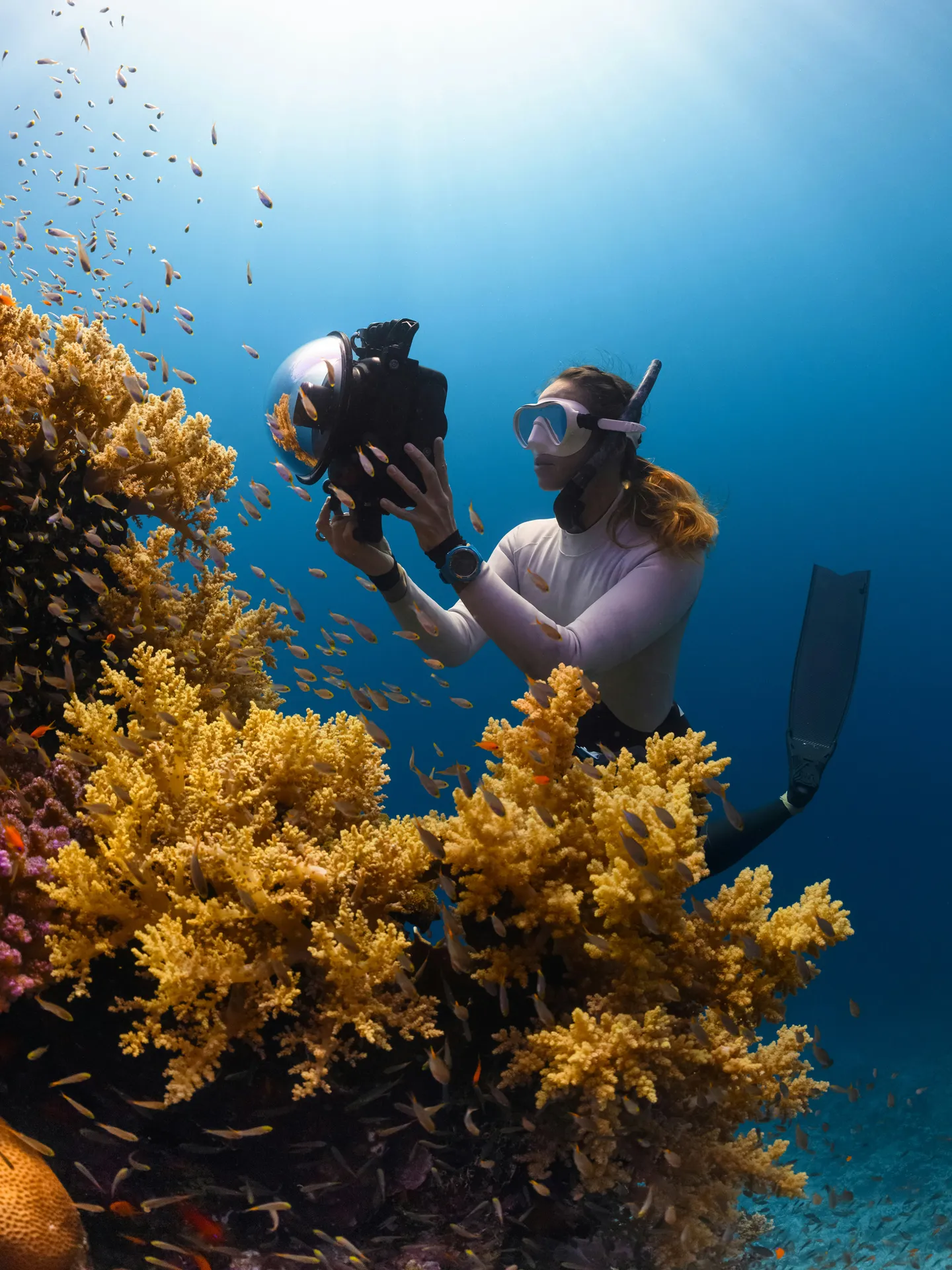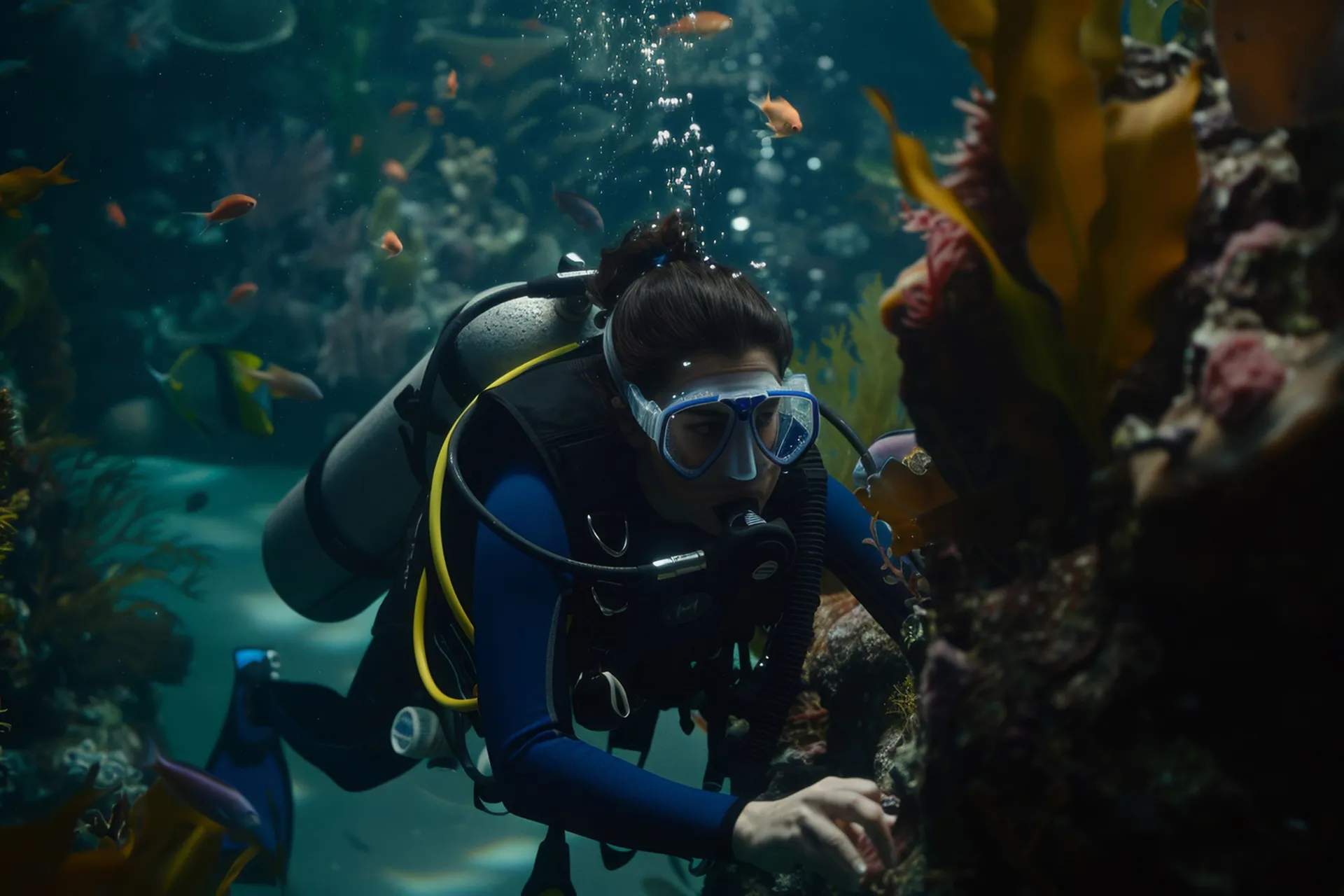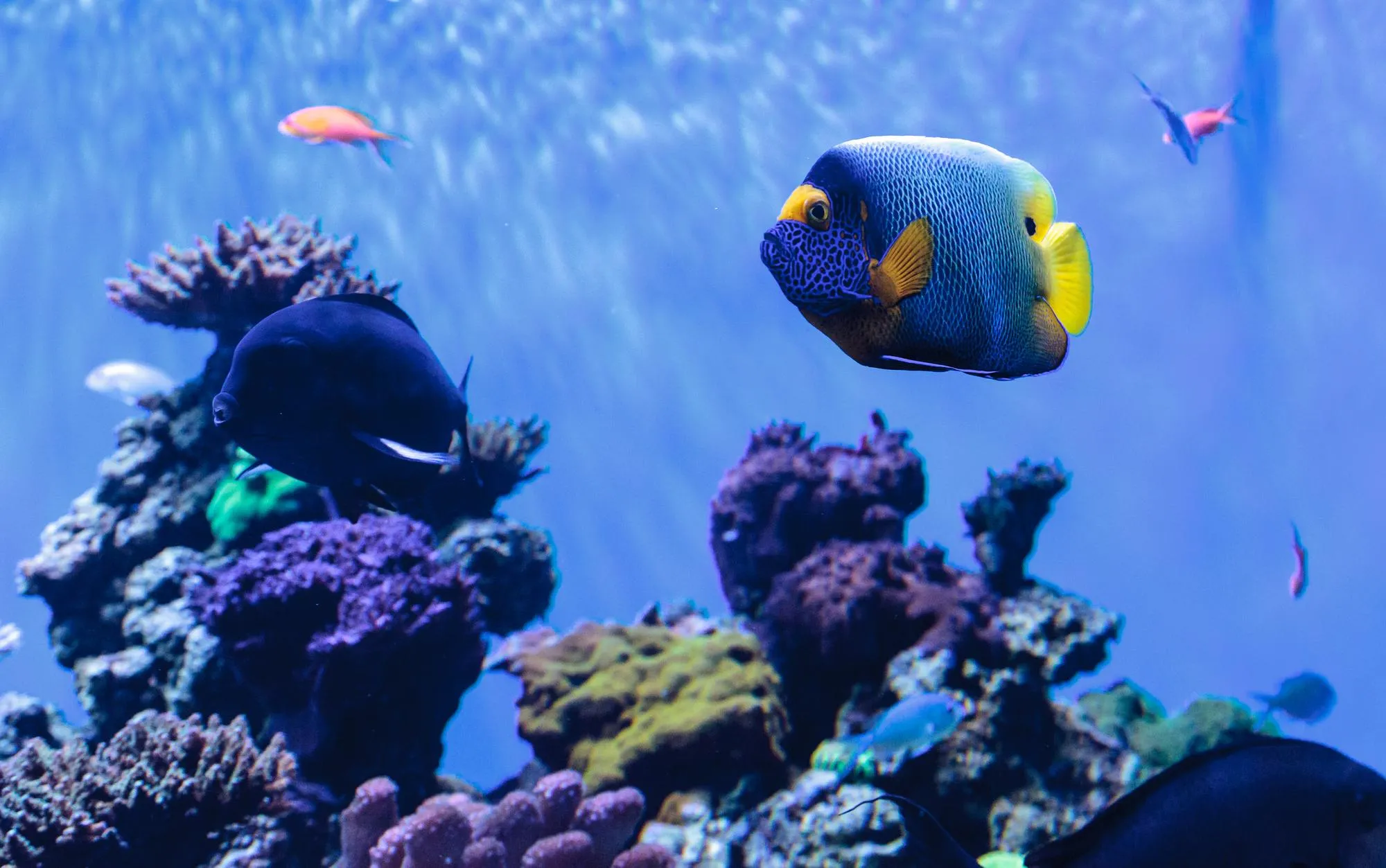
During your dives, you've encountered them without always knowing what they truly were — plants, rocks, animals? Coral reefs are actually one of the most complex and richest ecosystems on the planet. They host extraordinary marine biodiversity and play a fundamental role in the balance of the oceans.
The Philippines are located in the heart of the Coral Triangle, the region of the world that hosts the greatest known underwater diversity. By choosing to take this course in El Nido, you are just steps away from the planet's most precious reefs — and in the best place to learn how to protect them.
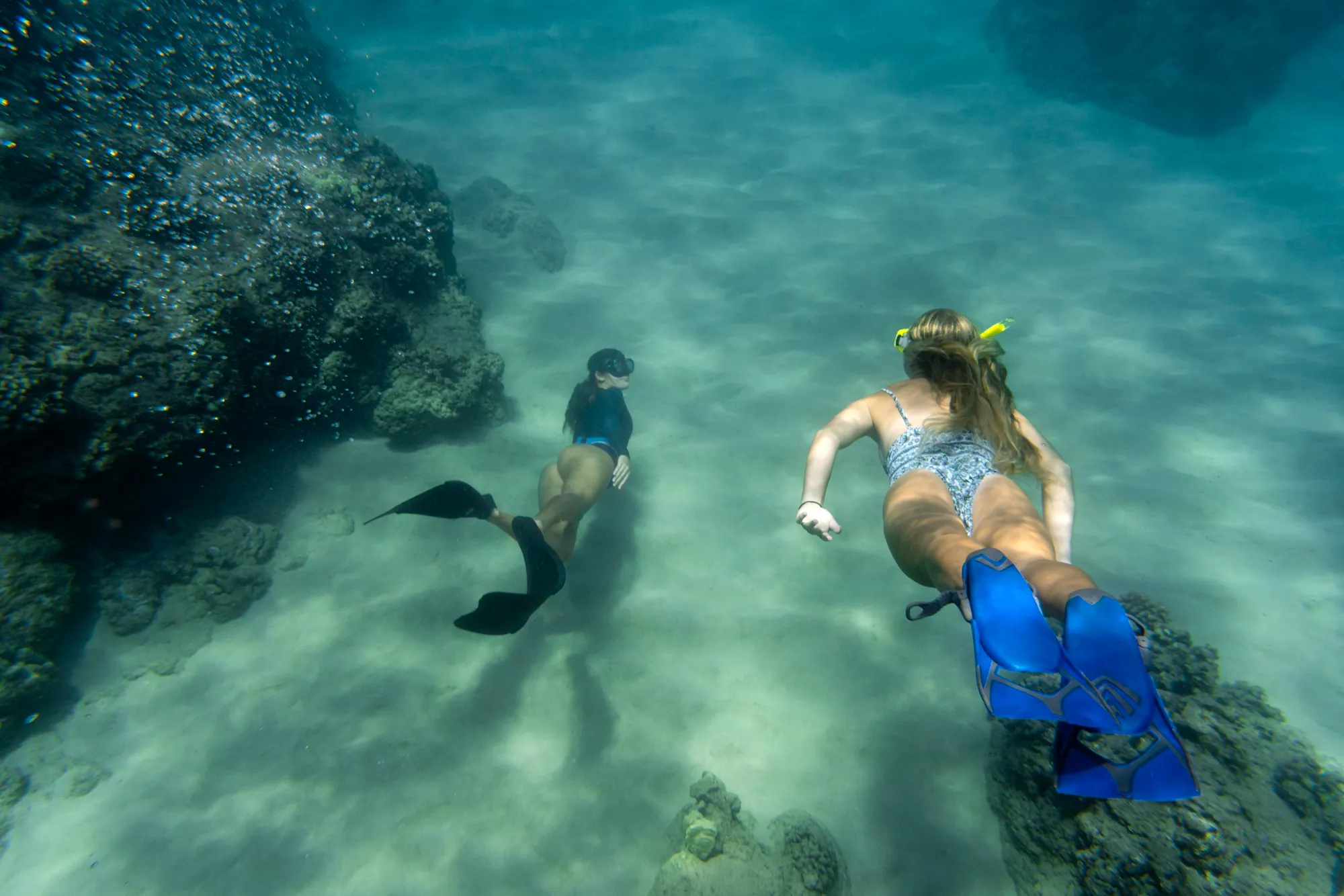
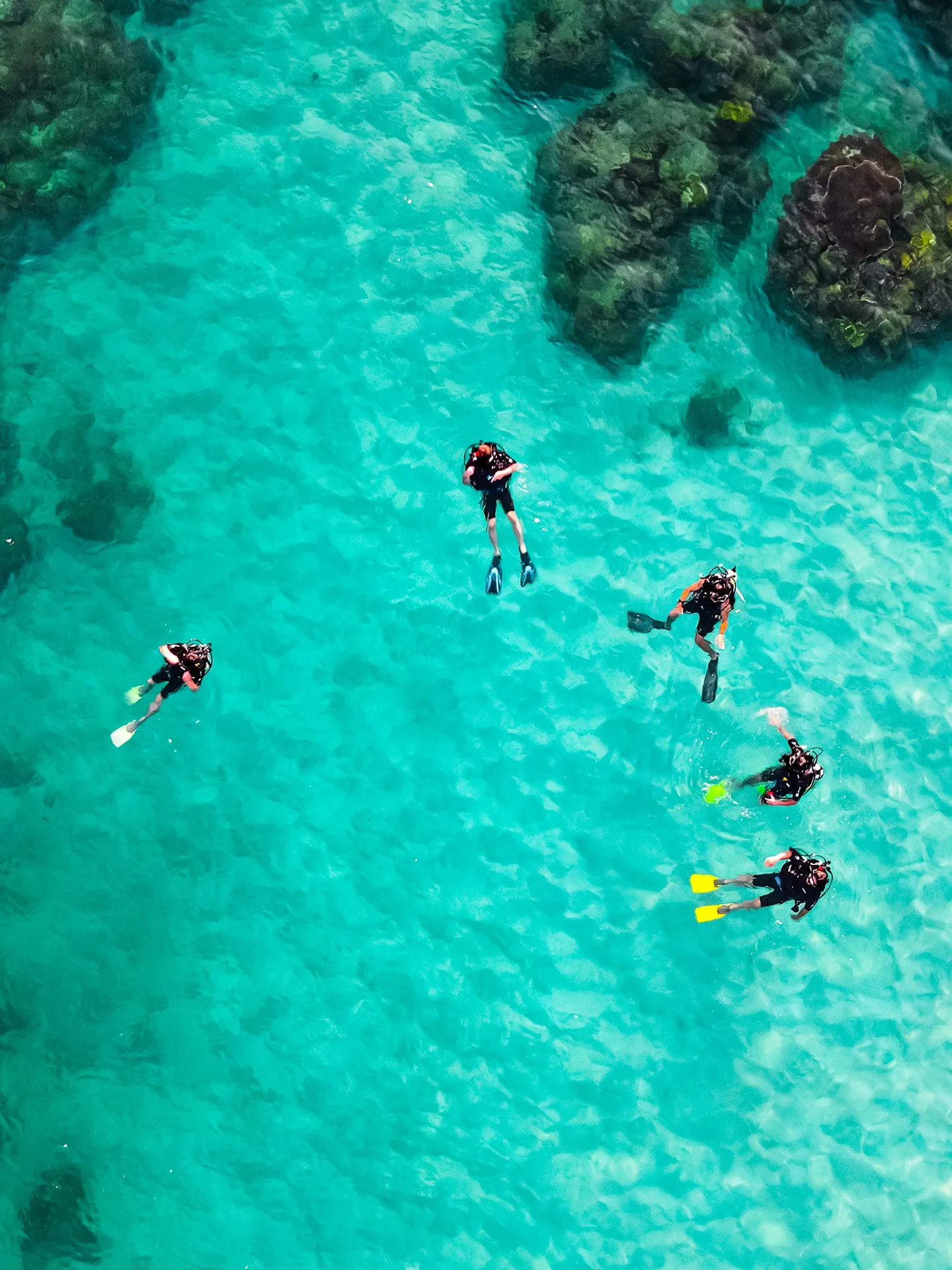
In 2 days of classroom training, you will discover everything you need to know to understand coral reefs: how they function, their relationship with the fish that inhabit them, the threats they face, and concrete actions to preserve them. And even if this course does not include dives, you can join our coral analysis excursions to directly observe the different types of corals present in our marine environments and learn to assess their health.
Important: This course is open to everyone aged 10 and above, with no diving prerequisites. Curious individuals, nature lovers, or experienced divers — everyone is welcome.
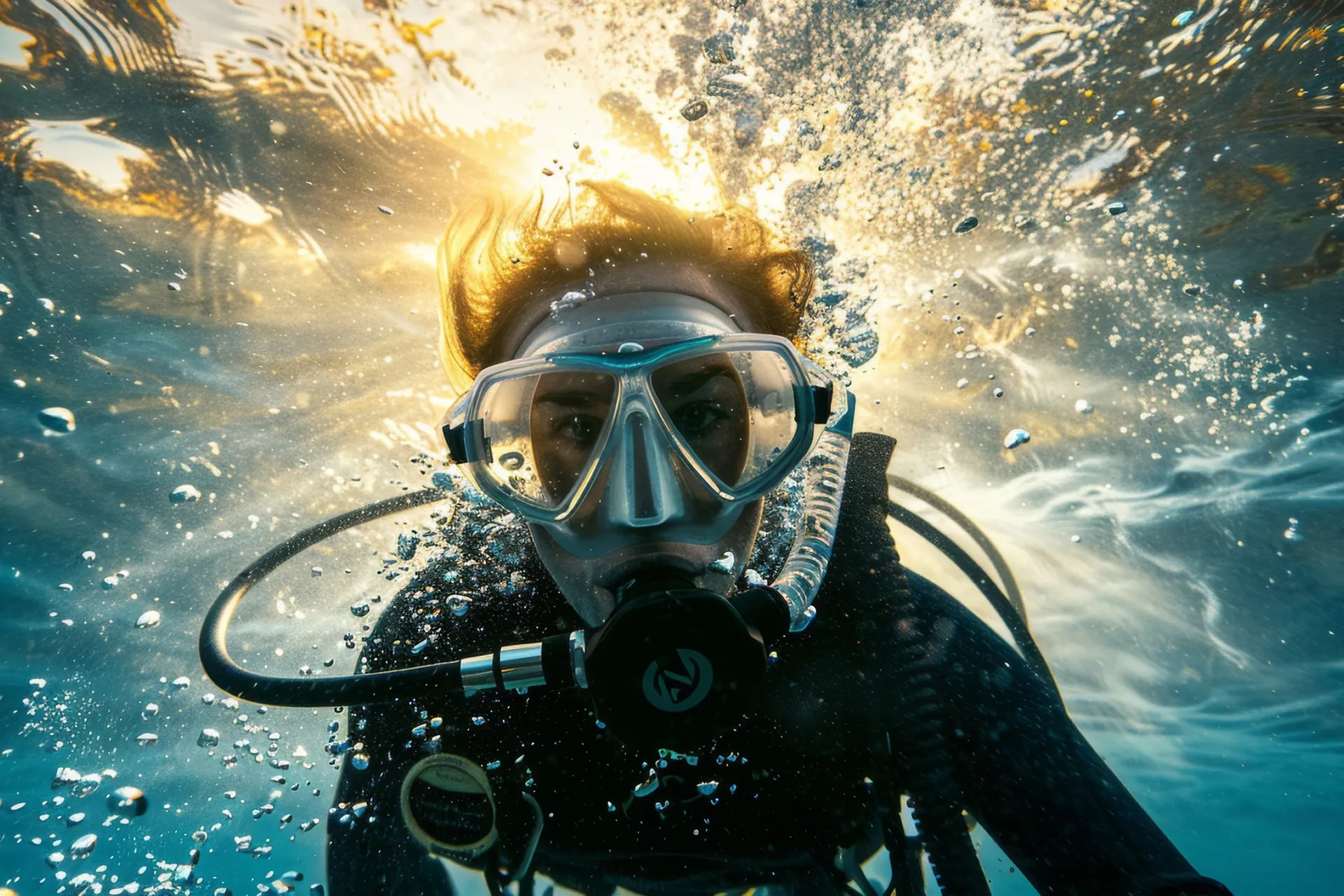
No personal equipment is required for the theoretical part of the course. For coral analysis outings, basic diving equipment is recommended — we can provide it if needed.
PADI AWARE Coral Reef Conservation Specialist certification (issued upon completion of the training)
This certification allows you to access:
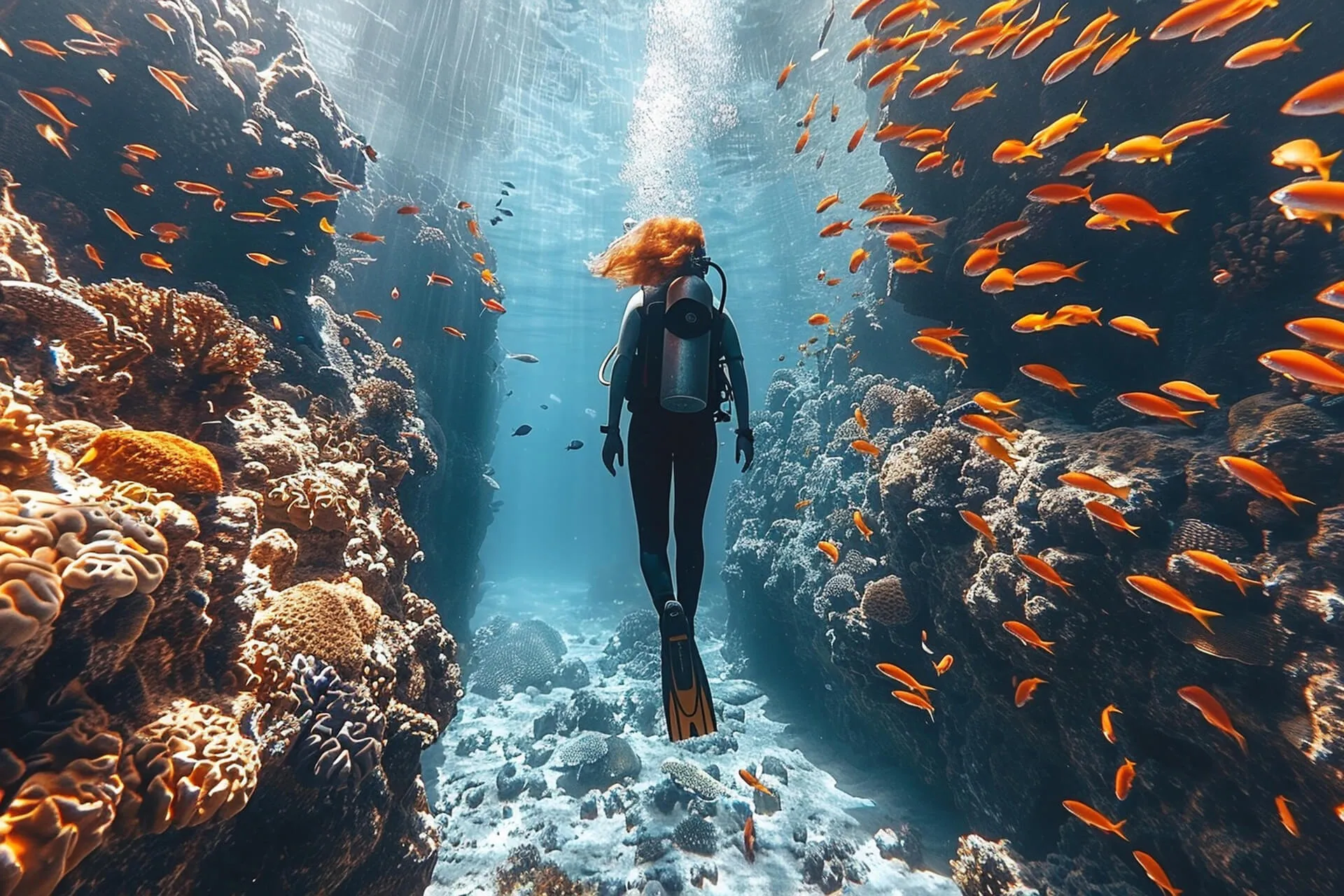
Lorem ipsum dolor sit amet, consectetur adipiscing elit. Suspendisse varius enim in eros elementum tristique. Duis cursus, mi quis viverra ornare, eros dolor interdum nulla, ut commodo diam libero vitae erat. Aenean faucibus nibh et justo cursus id rutrum lorem imperdiet. Nunc ut sem vitae risus tristique posuere.
Discover the freedom of independent diving with the world's most recognized certification. No prior experience required.
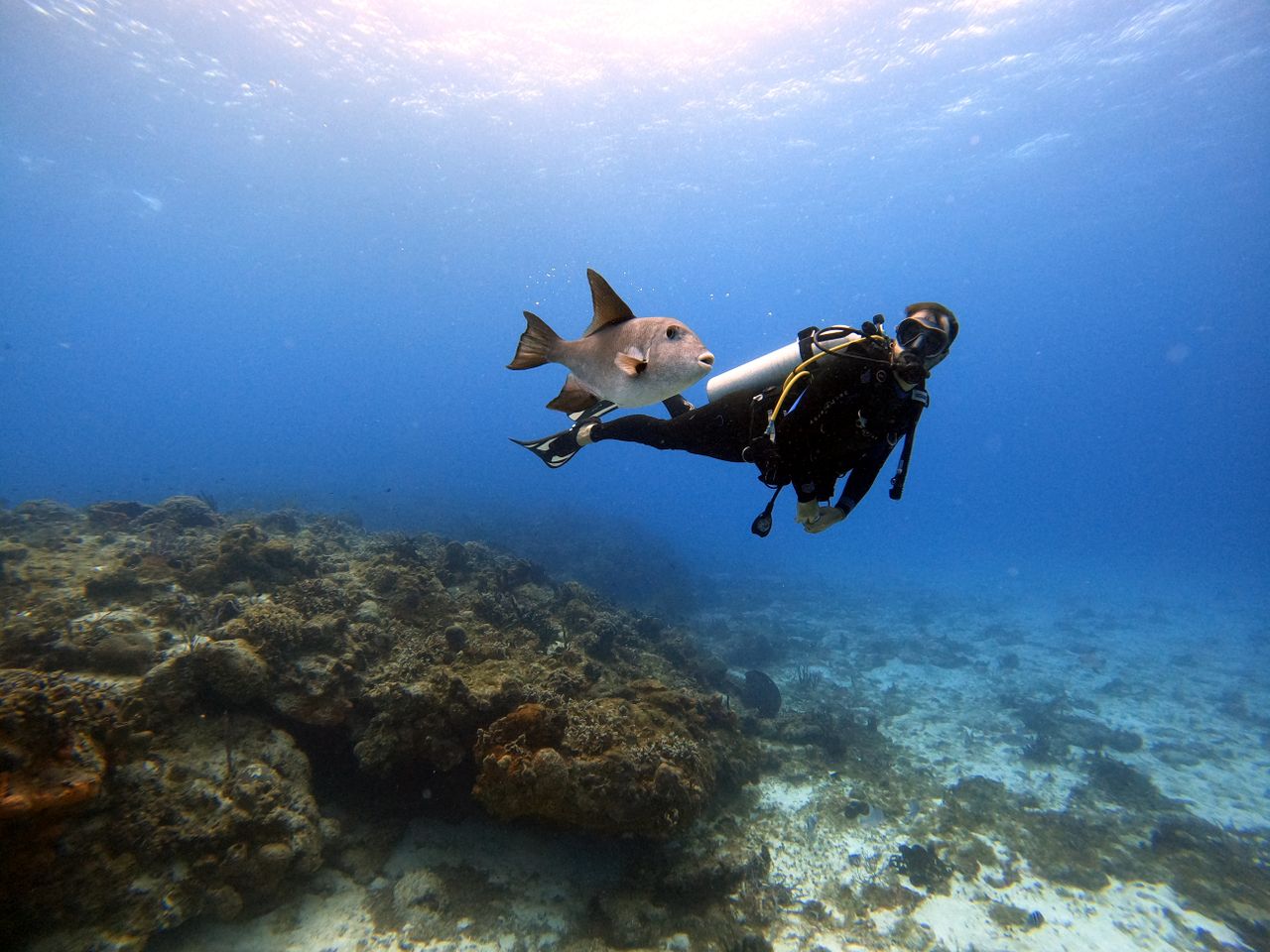
Lorem ipsum dolor sit amet, consectetur adipiscing elit. Suspendisse varius enim in eros elementum tristique. Duis cursus, mi quis viverra ornare, eros dolor interdum nulla, ut commodo diam libero vitae erat. Aenean faucibus nibh et justo cursus id rutrum lorem imperdiet. Nunc ut sem vitae risus tristique posuere.
Effortlessly hover, protect corals, and get closer to marine life. Perfect buoyancy can be learned — and it changes everything.
Lorem ipsum dolor sit amet, consectetur adipiscing elit. Suspendisse varius enim in eros elementum tristique. Duis cursus, mi quis viverra ornare, eros dolor interdum nulla, ut commodo diam libero vitae erat. Aenean faucibus nibh et justo cursus id rutrum lorem imperdiet. Nunc ut sem vitae risus tristique posuere.
Dive deeper, navigate with precision, and develop new skills with the most versatile certification in the PADI progression.
Our equipment includes top-quality diving kits, featuring advanced buoyancy control devices (BCDs) that ensure optimal buoyancy and maximum comfort underwater.