Contact
Let us offer you an unforgettable diving experience!

Located southeast of Cadlao Island, it's 10 minutes from El Nido town. This reef transitions into a sandy patch at a maximum depth of 20 meters. Dives typically proceed southeast, following the reef on the left shoulder.
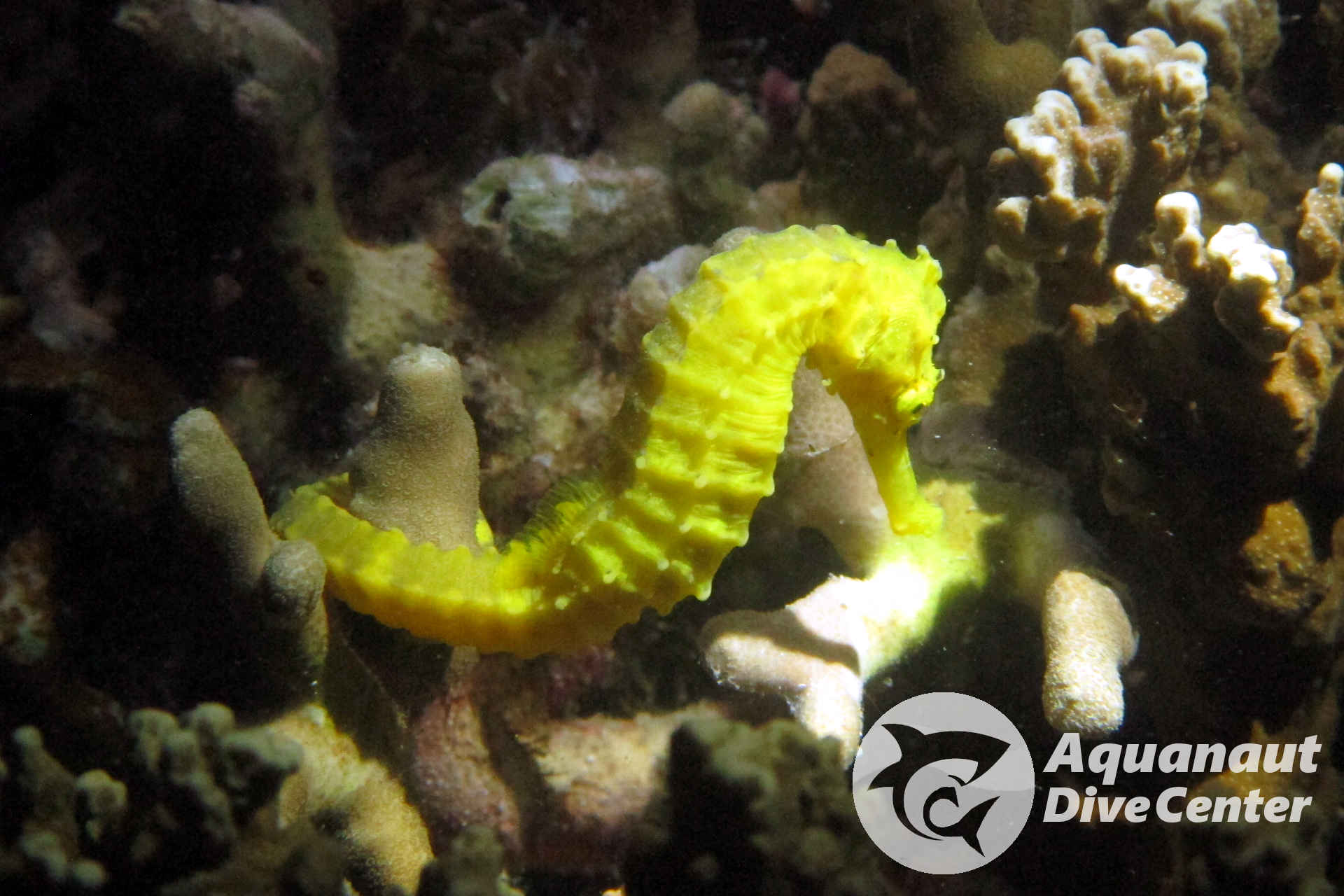
Nudibranchs, crabs, moray eels, stonefish, scorpionfish, turtles, bannerfish, pennant coralfish, cuttlefish, anemones, and seahorses for the lucky ones.
5 to 20 meters
Unusual
Beginner, Intermediate, Advanced
Directly accessible from Cadlao Island beach, this dive site is ideal for beginner and PADI students, with its large sandy beach perfect for confined water skills.
During the winter months, Paradise Beach is a macro paradise where you can find anemone crabs, emperor shrimp, flatworms, frogfish, and seahorses in the Indian Ocean.
1 to 15 meters
None
Beginner, Intermediate, Advanced
This dive site is located southeast of Dilumacad Island, commonly known as Helicopter Island due to its shape. The site's topography is divided into three parts: a southern reef followed by a large sandy beach, which then transitions into another northern reef section. Therefore, it is divided into two different dive sites: either diving the southern reef and part of the sandy beach, or diving the northern reef and the other side of the sandy beach. Due to its proximity to El Nido town (approximately 30 minutes away), it is one of the most romantic spots in Bacuit Bay.
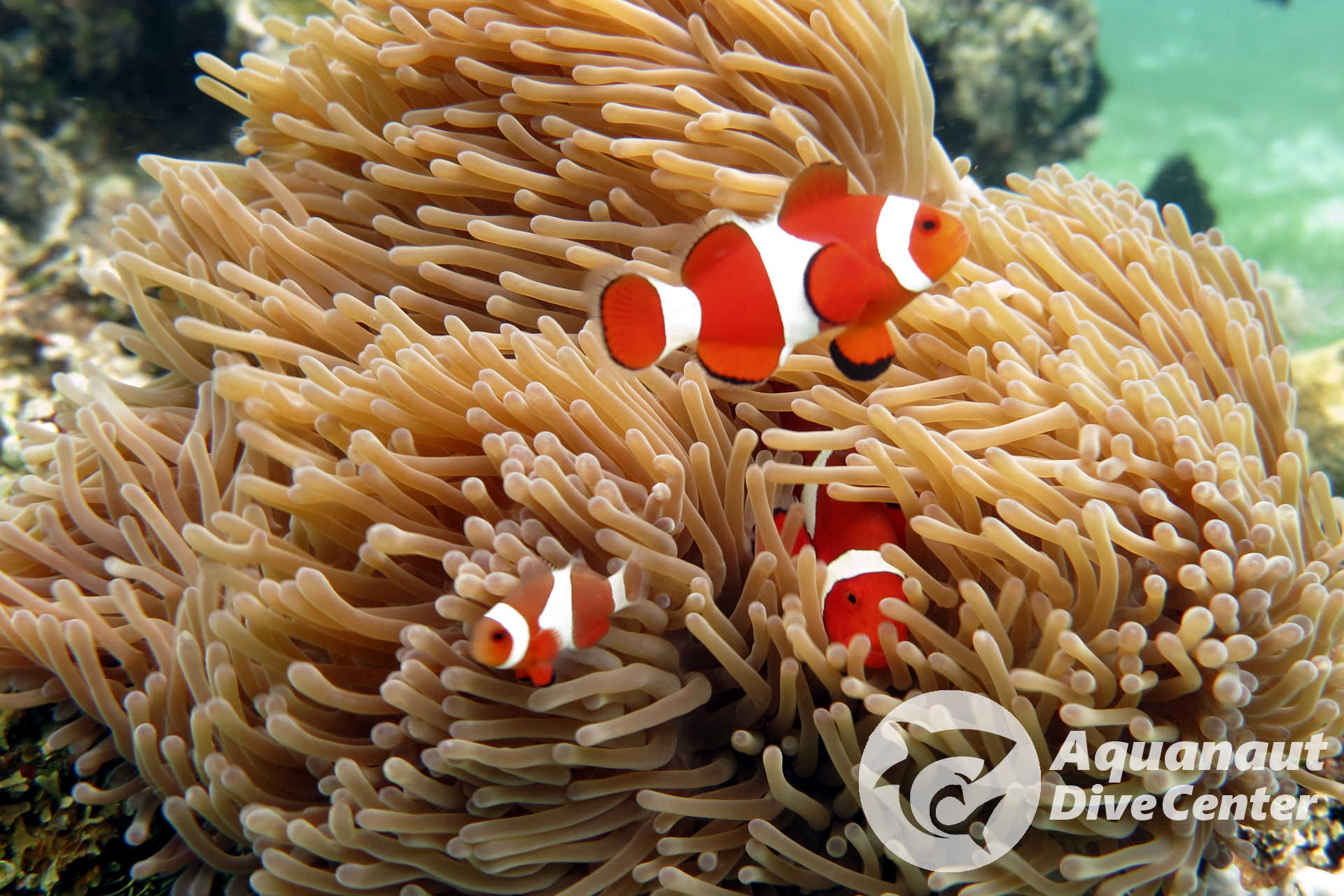
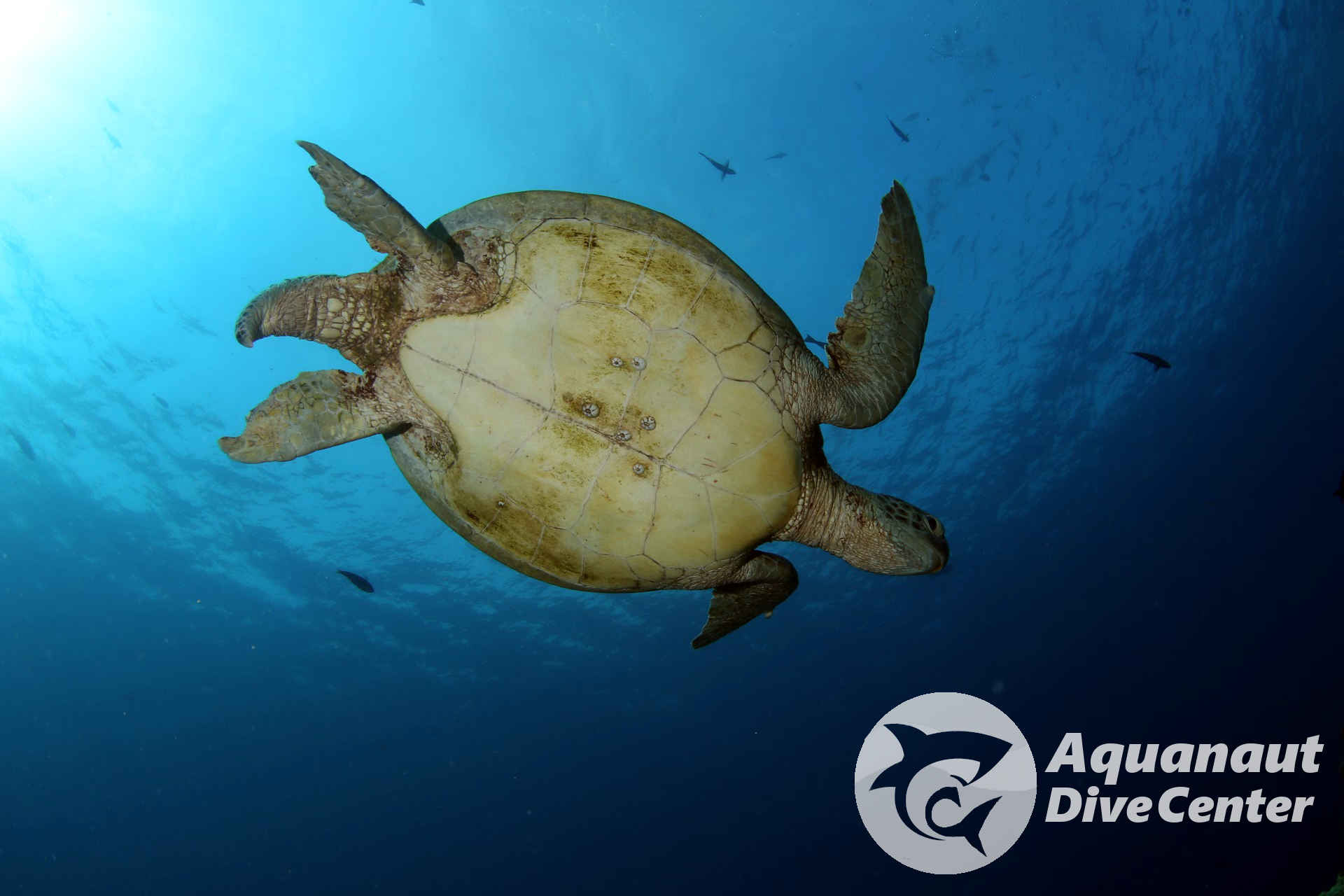
Anemone crab, anemone shrimp, blue-spotted stingray, green sea turtle, flounder, sea snake, flatworm, nudibranch, bird's nest, red-breasted wrasse, pipefish, and if lucky, dragon seamoth.
1 to 30 meters
None
Beginner, Intermediate, Advanced
Description
Marine life
Depth
Current
Levels
In the northwest of Bacuit Bay lies Pacanayas Island, also known as Picanayas or Bicanayos. This dive site is a circular reef, offering a lush garden of corals, such as table coral and Daisy coral. The reef wall drops down to a sand patch. Surge is very often present, so experience is required.
[SEG 8]
Description
Scorpionfish, mantis shrimp, turtle, barracuda, titan triggerfish, trevally, unicornfish, and occasionally blacktip sharks can also be encountered.
6 to 24 meters
Moderate to strong
Intermediate, Advanced
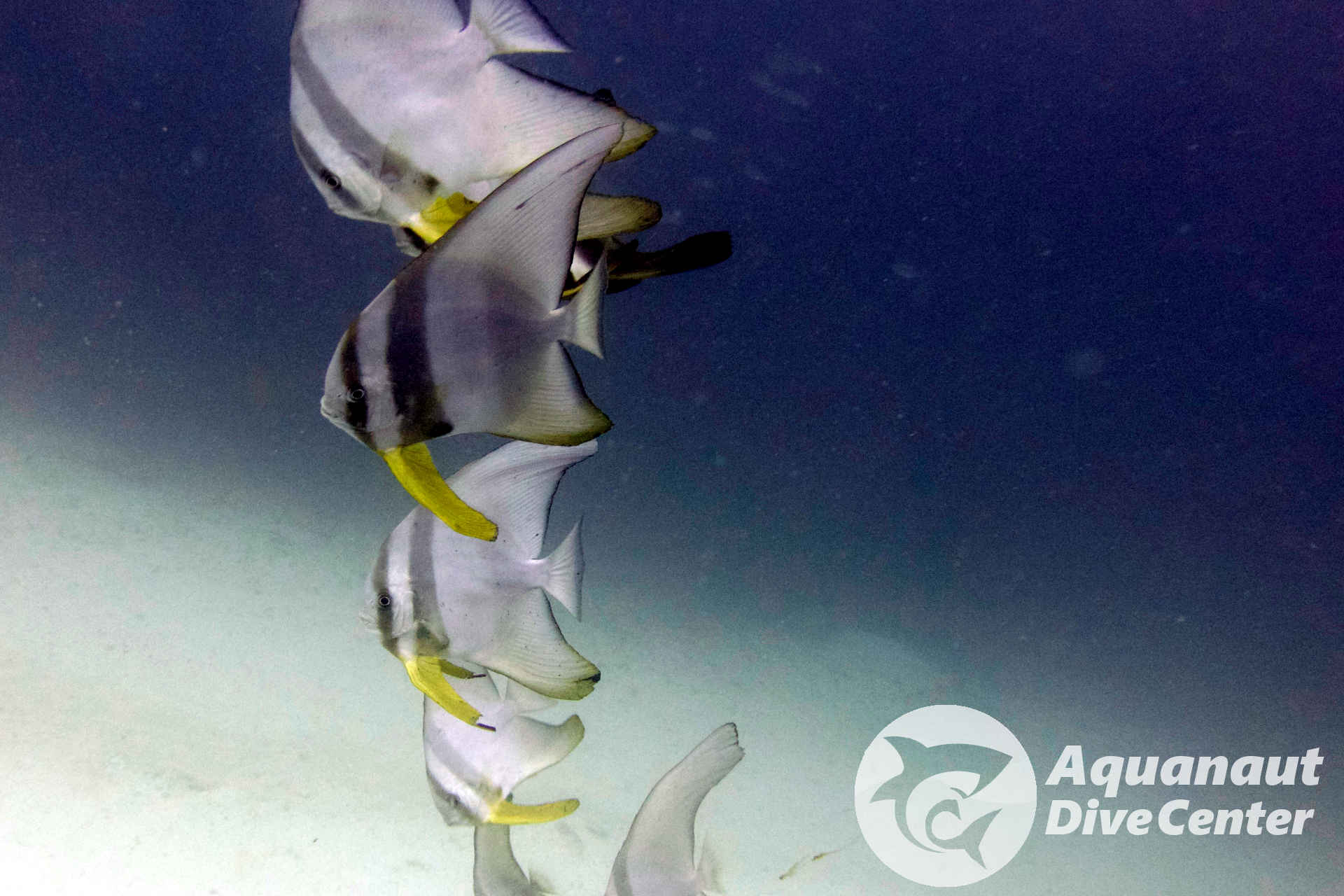
North Rock is part of Tagbao Island, also known as Tres Marias, which is under a coral conservation program. Therefore, diving or snorkeling is strictly prohibited in the vicinity of North Rock, except for the areas where divers are permitted. With good air consumption, it is possible to dive all around the rock. Spectacular rocks, gorgonians, rock formations, and table corals, where long-finned batfish stay against the current, await the best photographers, making this dive site one of El Nido's highlights.
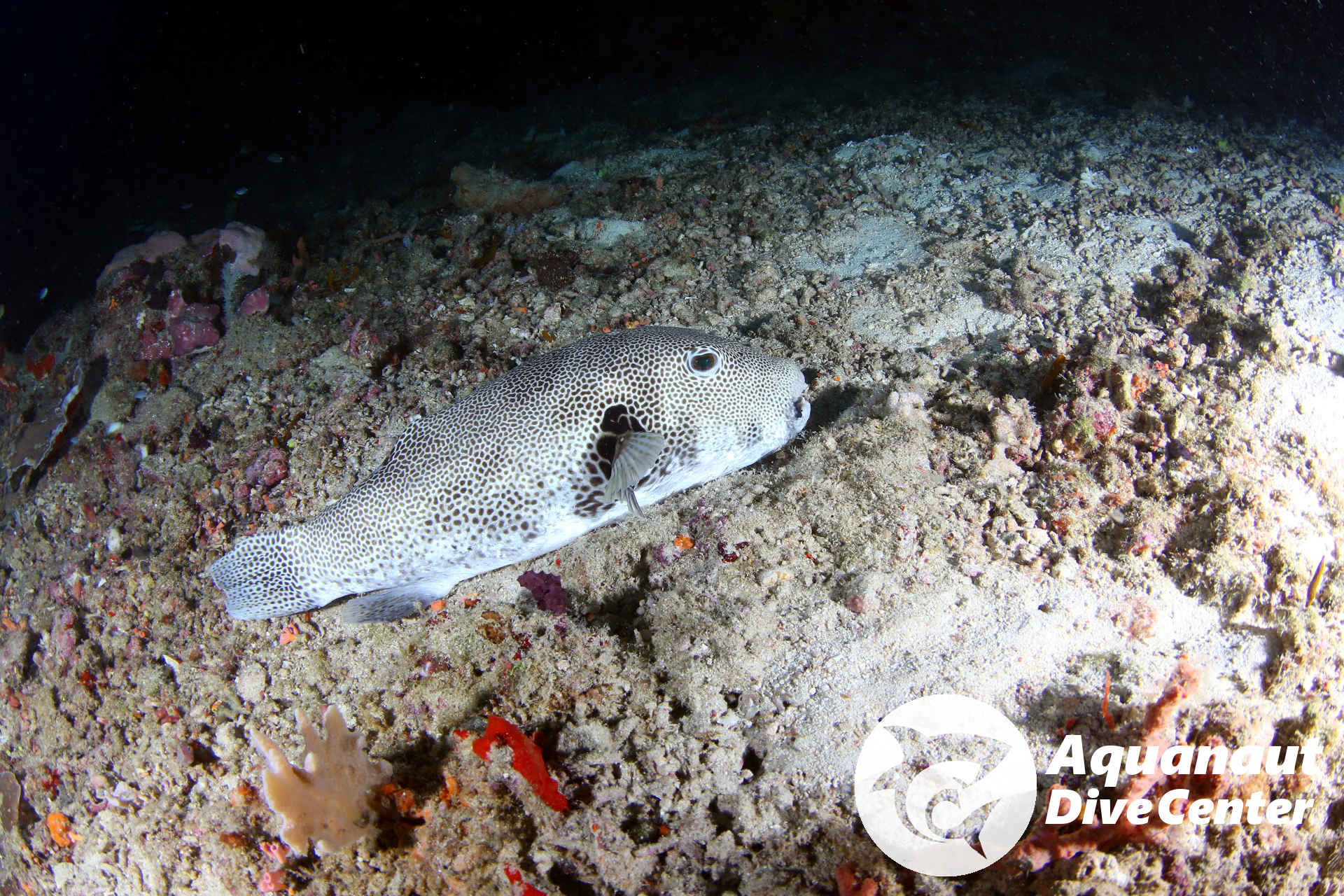
Batfish, trumpetfish, turtle, lionfish, pufferfish, fusiliers, nudibranch, mantis shrimp, octopus, emperor angelfish, scribbled filefish, yellow-spotted pufferfish. Seasonal humphead parrotfish and blacktip sharks can be observed.
7 to 32 meters
Moderate to strong
Intermediate, Advanced
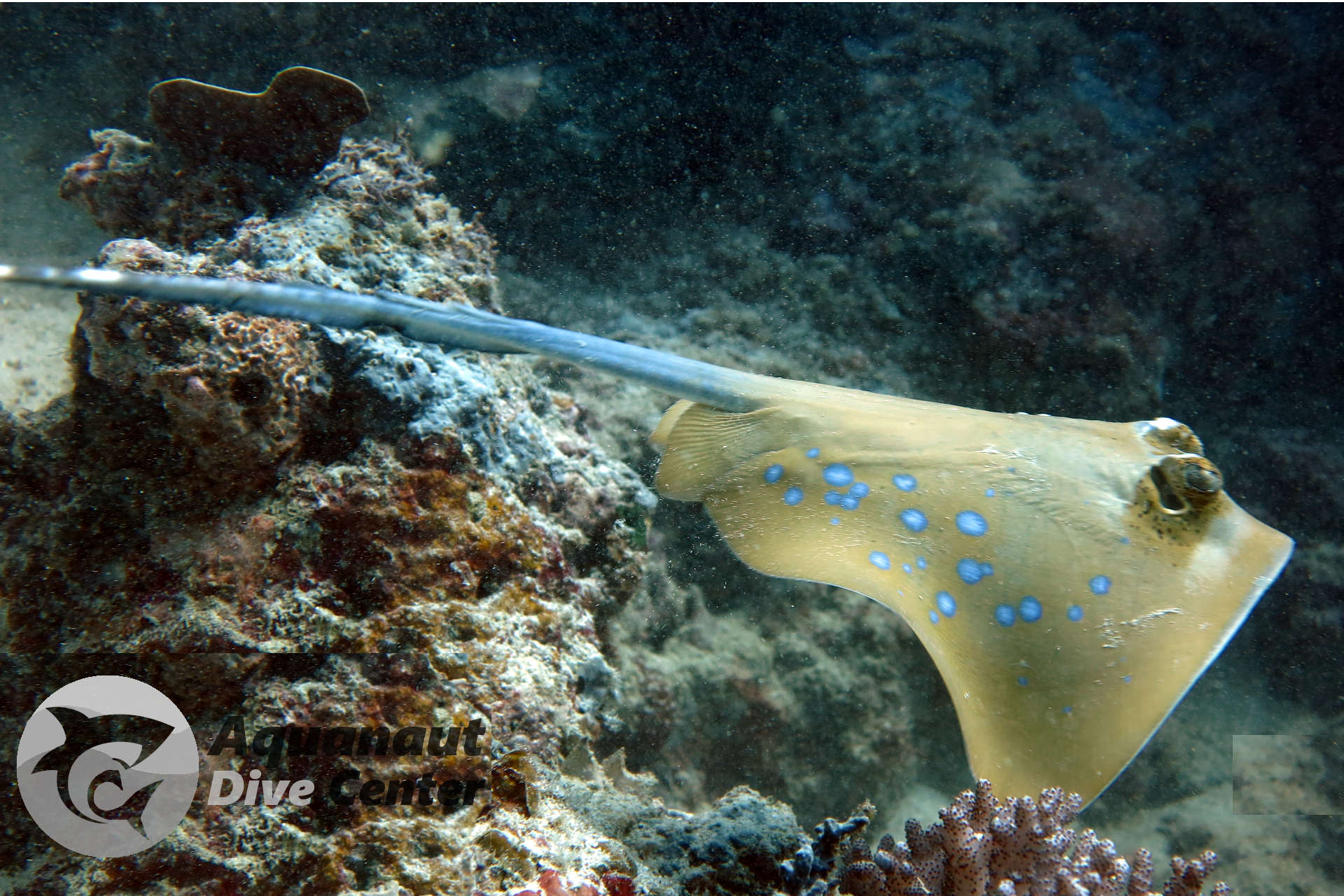
These two rocks are located near the northeast of Miniloc Island. This dive site offers a reef plunging into a sandy bottom from 5 to 30 meters. The reef features a dove-like formation on its left side, adjacent to a rock corner, and at a depth of 16 meters, it transitions into a sandy area known as 'the airport' because it is full of blue-spotted rays.
Blue-spotted stingray, stonefish, scribbled pipefish, banded shrimp, lionfish, short-tailed pipefish, spotted pufferfish, mimic filefish, trevally, barracuda, grouper, lunar fusilier, crocodile fish.
5 to 30 meters
None
Beginner, intermediate, advanced
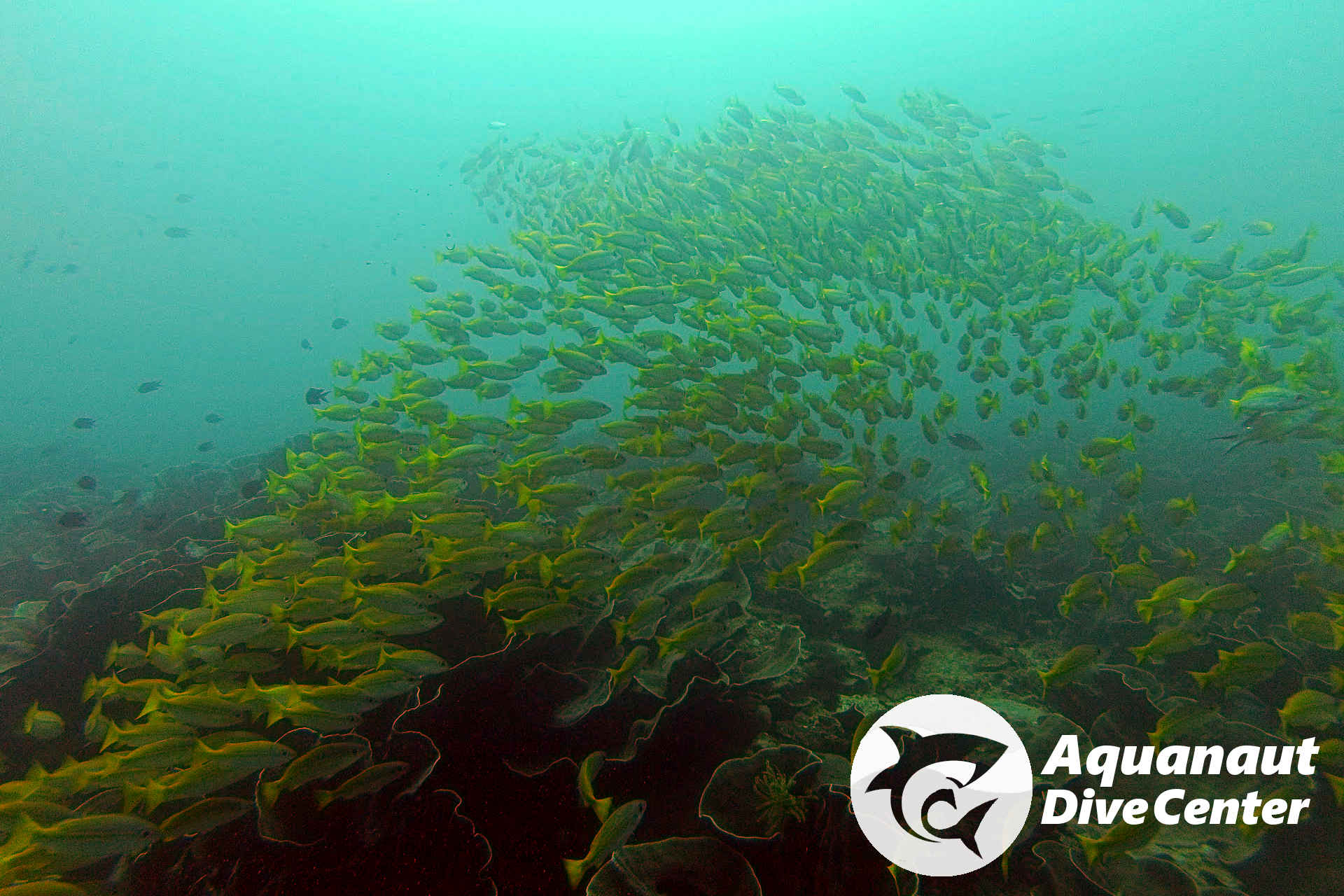
Also known as Biet Point, the South Miniloc dive site is located at the southeastern tip of Miniloc Island. The dive site is a triangular-shaped reef at a depth of 12 meters, facing Simizu Island and separated by a channel. It is a highlight of El Nido, offering a dive over or around the reef with a wide variety of sponges, an amazing lettuce coral garden (locally called cabbage coral), and abundant aquatic life due to the current.
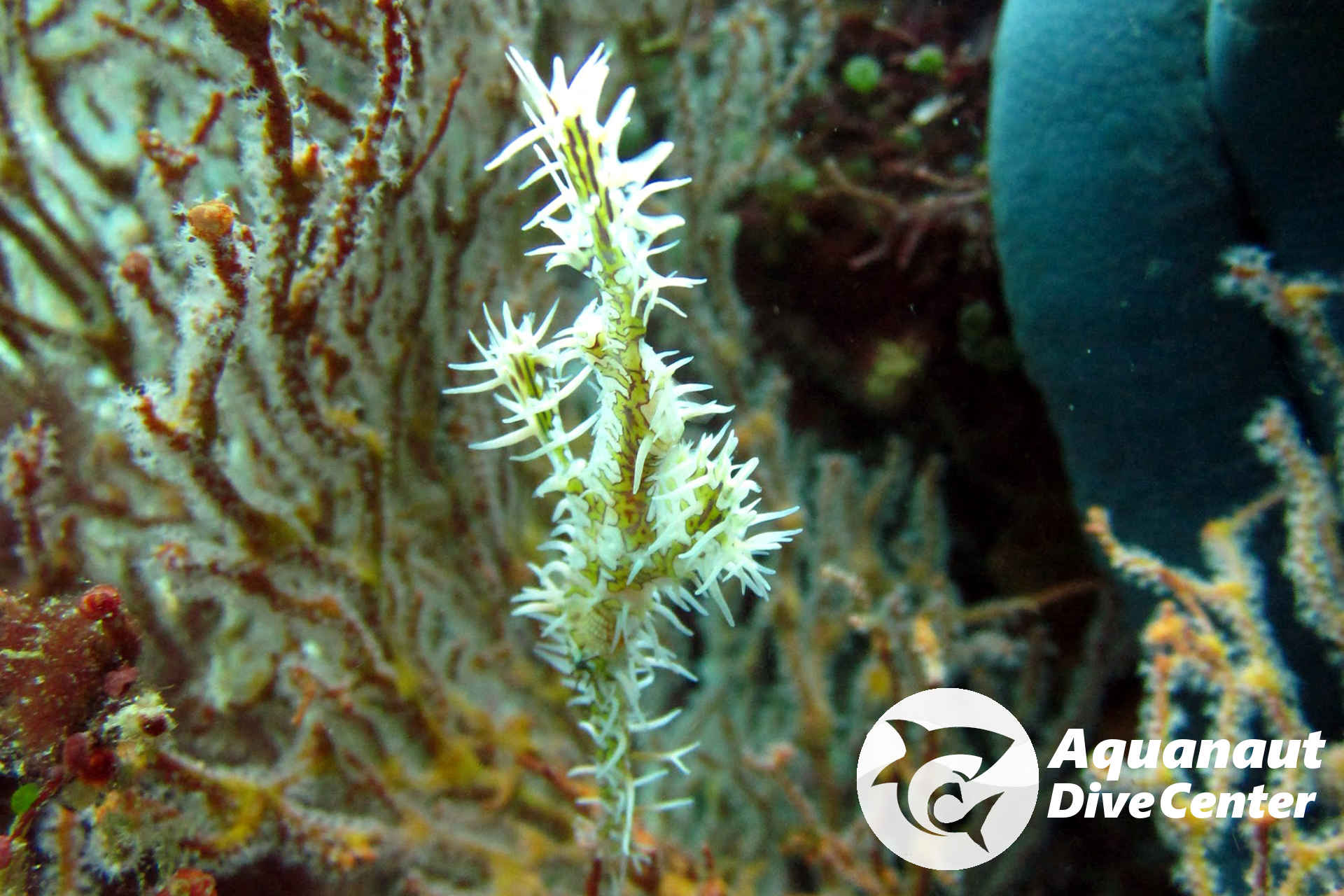
Parrotfish, yellow snapper, bullseye, stonefish, scorpionfish, ribbon eel, pufferfish, porcupinefish, nudibranch, orangutan crab, pipefish, seahorse, ghost pipefish, anemonefish, lunar fusilier, trevally, schooling fish, tuna, Napoleon wrasse, grouper, bumphead parrotfish, and seasonal manta ray and marbled ray.
9 to 25 meters
None to strong
Intermediate, Advanced
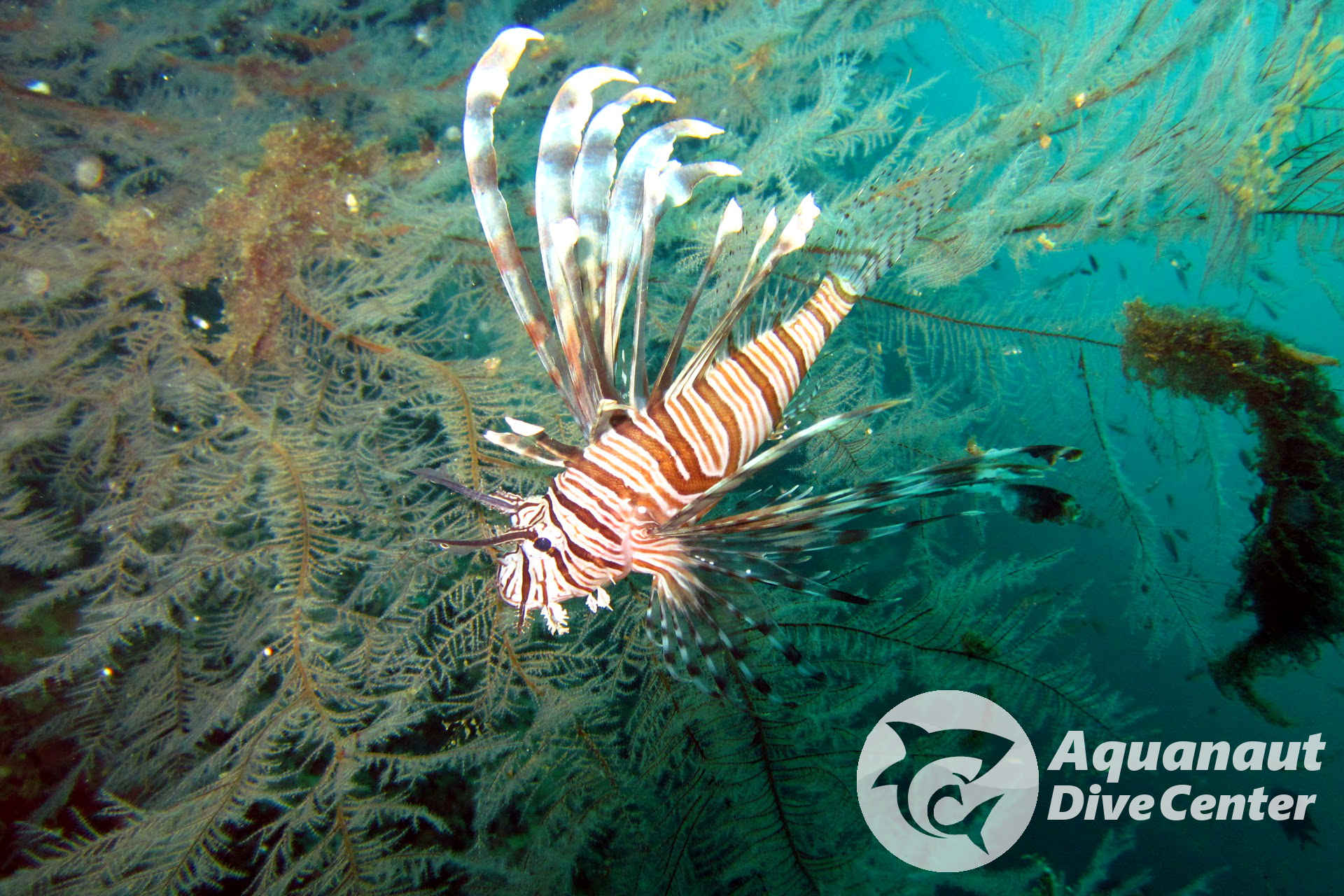
On the west side of Entalula Island (also known as Intalula Island) there is a wall suitable for all divers and deep diving enthusiasts. The dive starts on a reef at about 5 meters, which turns into a wall descending to a maximum depth of 35 meters. Small caverns are found along the way where fish are hidden.
Nudibranch, fire clam, octopus, lionfish, clownfish, filefish, mimic filefish, tailspot filefish, ray.
35 meters
None
Beginner, Intermediate, Advanced

The dive sites are scattered around Bacuit Bay, a unique rock formation resulting from erosion and the volcanic past of the South China Sea. It takes between 15 and 60 minutes to reach the dive sites from El Nido. Drop-offs, sandy areas, coral reefs, walls, tunnels, and underwater caves are among the topologies found in Bacuit Bay.
The environment couldn't be better, with over 40 islands and 16 dive sites. Both above and below the water, the landscape will leave you speechless.
Due to the conditions described below, the best time of year to dive in El Nido is between April and June.
When the water is calm, visibility reaches its maximum, and temperatures are ideal for diving with only a rash guard for protection.
The temperature varies between 22°C and 33°C depending on the season. January and February are the coldest months, while the warmest temperatures, ideal for diving, are between April and June.
The temperature then drops again in a continuous cycle. We recommend a full-length 3mm wetsuit.
It can vary between 3 and +30 meters.
During plankton season, between January and February, it ranges from 3 to 10 meters.
From March to June, it increases, ranging from 10 to +30 meters.
From July to December, visibility decreases, ranging from 30 to 10 meters.
It varies with the tides and differs depending on the dive sites.
The current is generally weak (if present) and manageable both on the surface and underwater.