
Coral reefs are among the most spectacular ecosystems on the planet
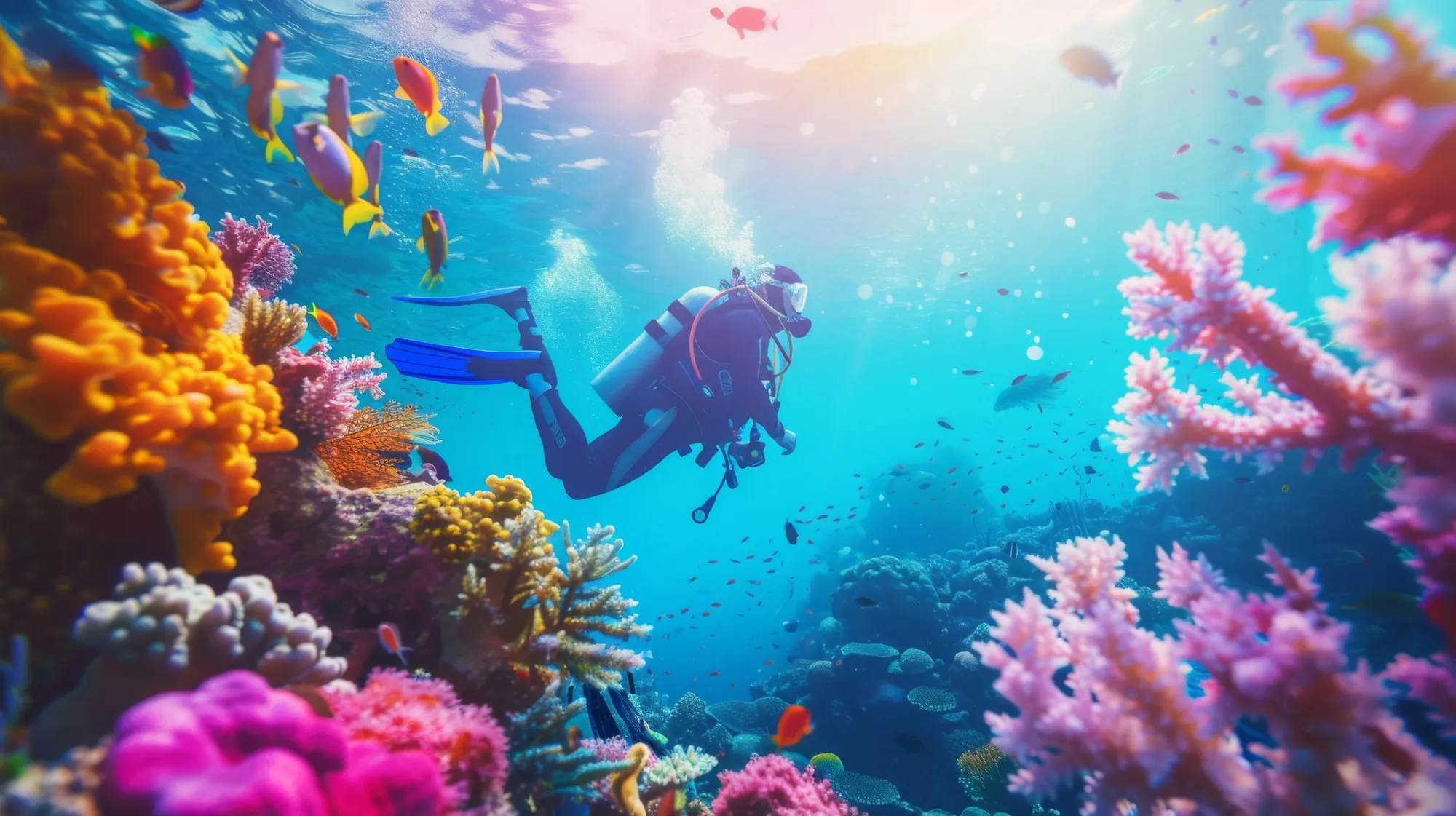
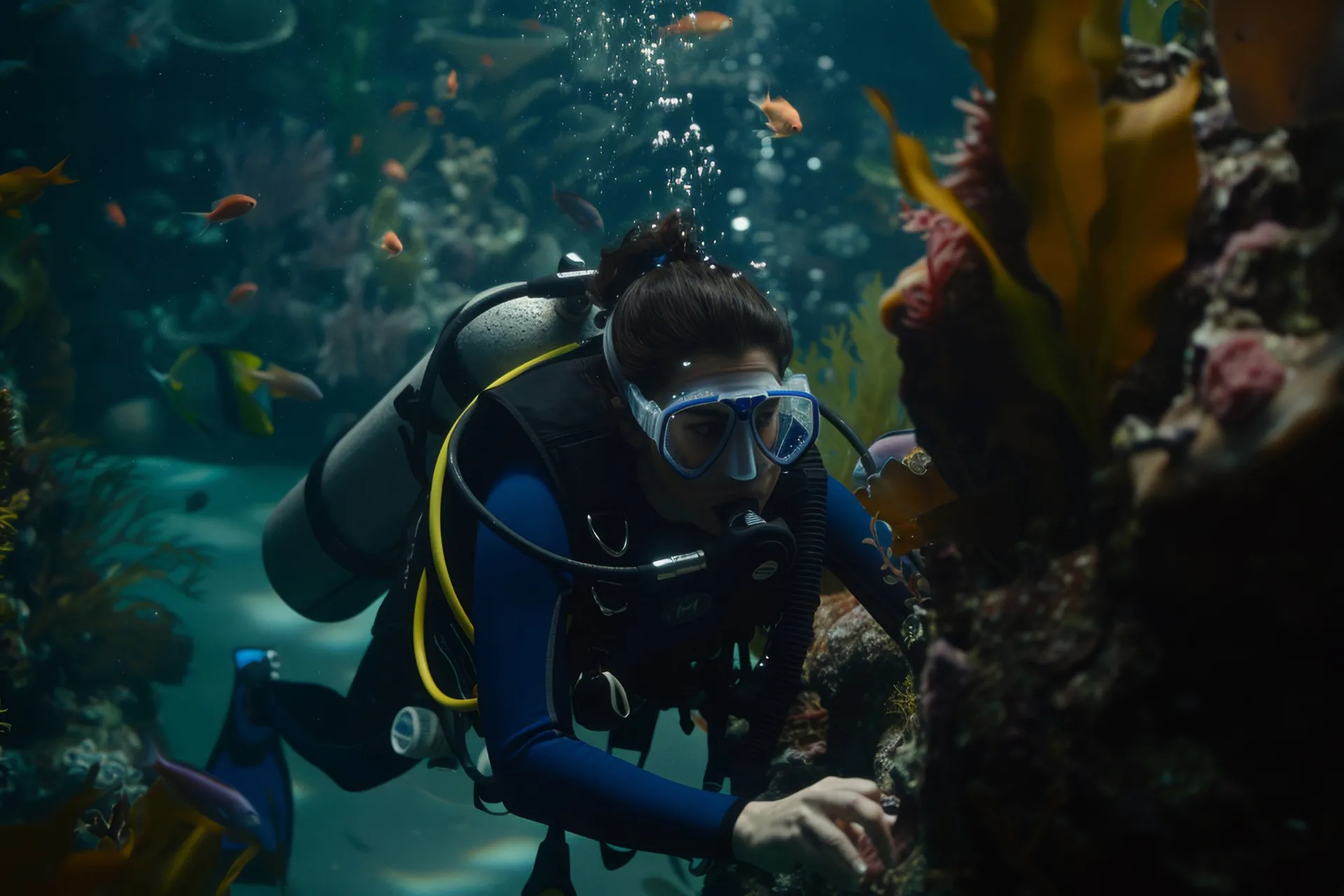
Often called the rainforests of the sea, they are home to an incredible diversity of marine life and play a vital role in ocean health. Exploring coral reefs—whether through scuba diving or snorkeling—reveals a vibrant underwater world that amazes and inspires 🌊
What are coral reefs?
Coral reefs are living structures formed by tiny animals called coral polyps. Over thousands of years, these organisms build massive limestone formations that support complex marine communities. Despite covering a small portion of the ocean floor, reefs support a huge percentage of all marine species.
A kaleidoscope of marine life
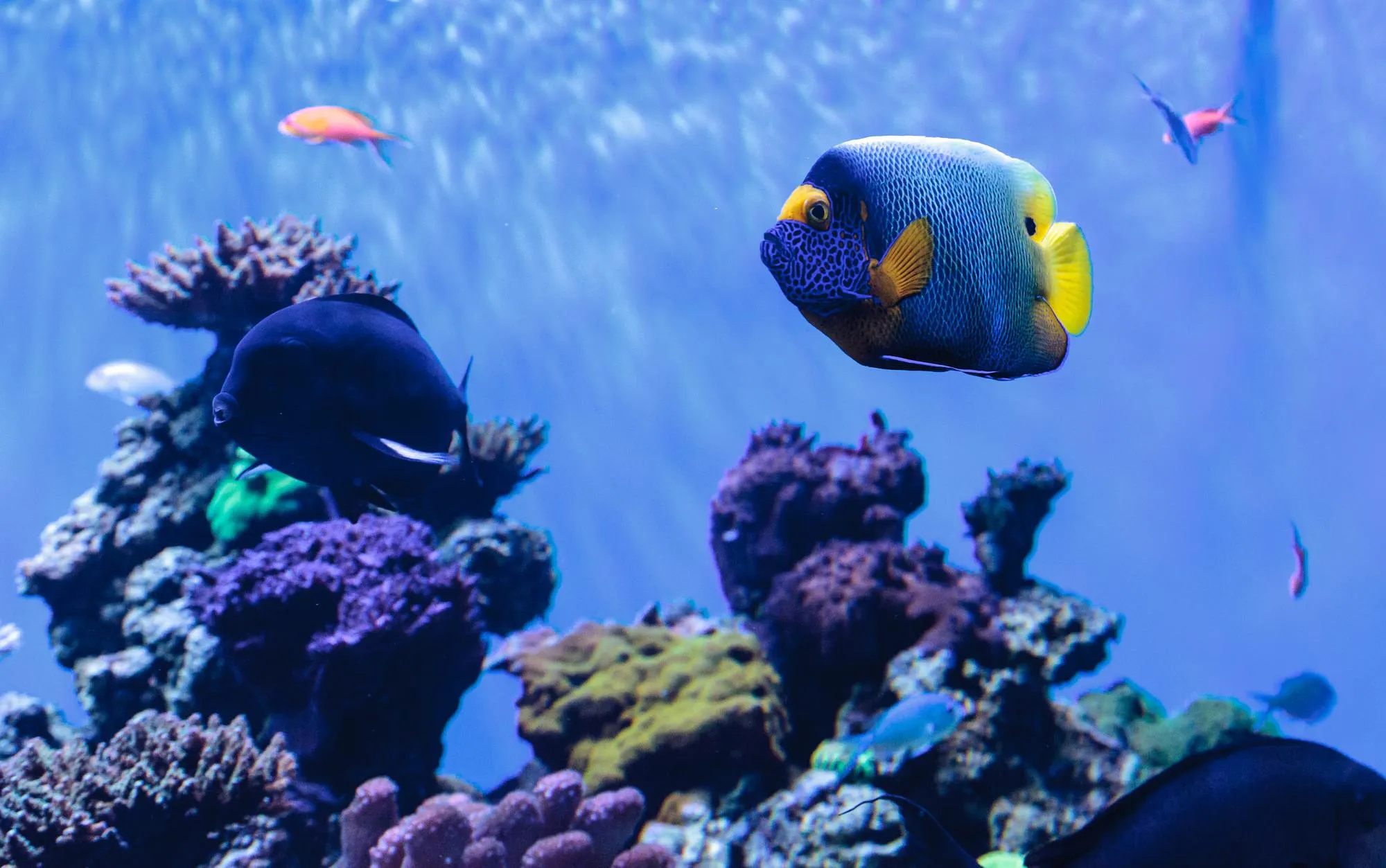
One of the most striking aspects of coral reefs is their biodiversity.
Common reef inhabitants include:
- Colorful reef fish such as angelfish, parrotfish, and damselfish
- Invertebrates like sea stars, clams, and shrimp
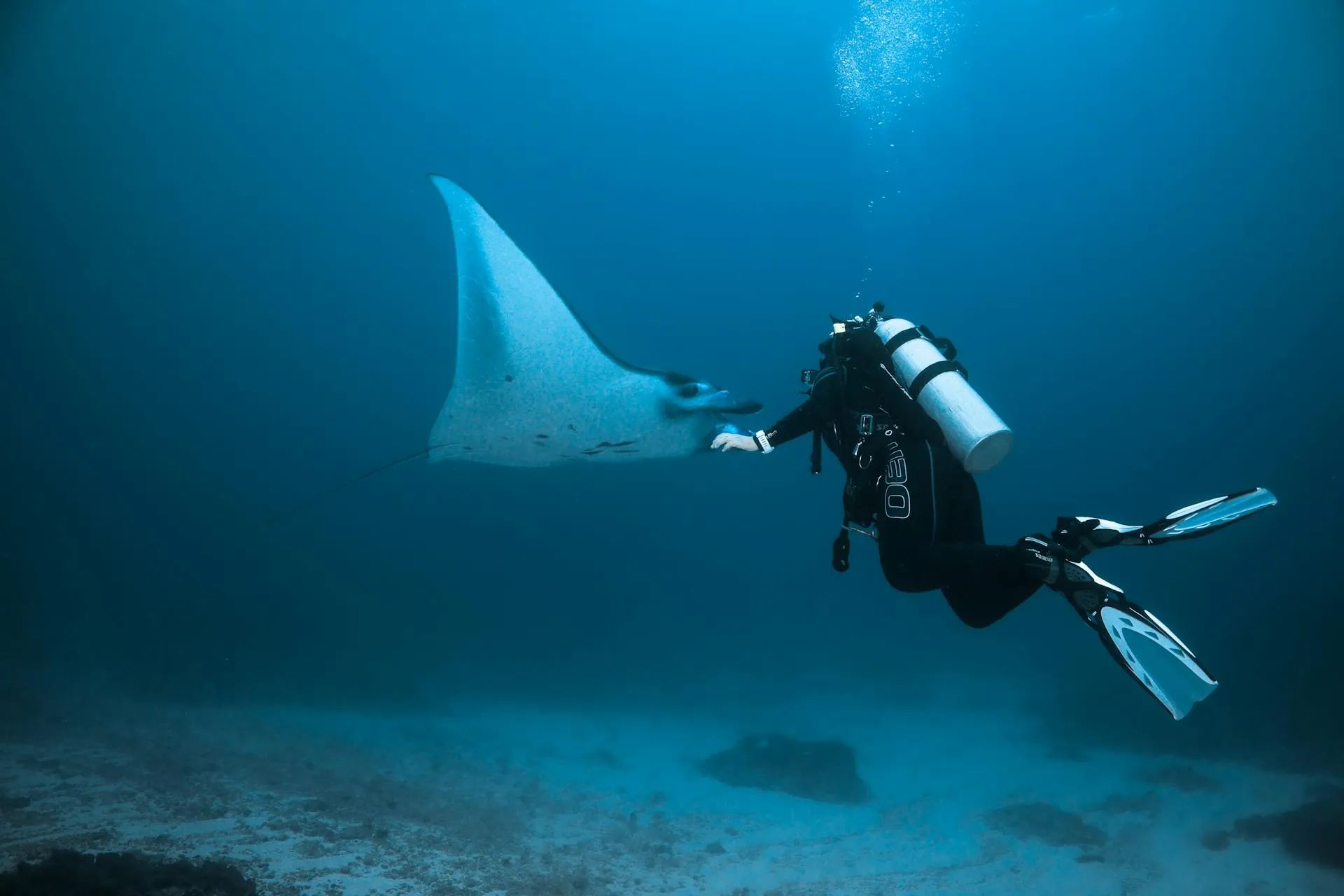
- Larger visitors including sea turtles and reef sharks
Every dive or snorkel reveals new patterns, colors, and behaviors.
The beauty of coral formations
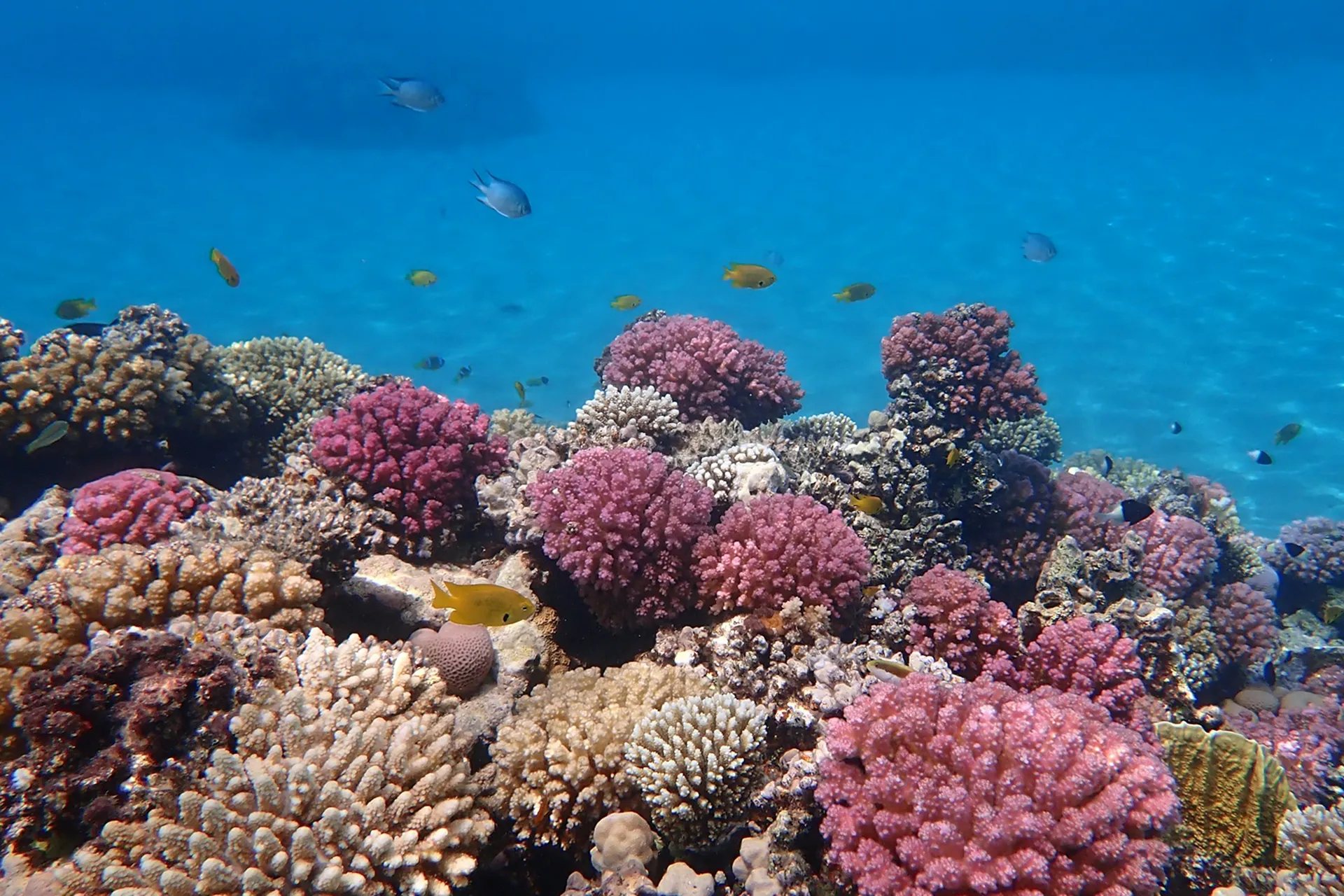
Corals themselves come in a stunning variety of shapes and textures.
You’ll find:
- Branching corals that resemble underwater trees
- Massive corals shaped like domes
- Soft corals that sway gently with the current
These formations create both beauty and shelter for marine life.
Why coral reefs matter
Beyond their beauty, coral reefs provide critical benefits.
They help by:
- Protecting coastlines from erosion and storms
- Supporting fishing and tourism industries
- Serving as nurseries for many marine species
Healthy reefs contribute directly to human livelihoods and ocean balance.
Threats facing coral reefs
Sadly, coral reefs face increasing challenges worldwide.
Major threats include:
- Climate change and coral bleaching
- Pollution and plastic waste
- Overfishing and destructive fishing practices
Seeing these impacts firsthand often motivates divers to support conservation efforts.
Responsible reef exploration
Exploring coral reefs comes with responsibility.
Best practices include:
- Maintaining proper buoyancy
- Avoiding contact with corals
- Using reef-safe sunscreen
Small actions help protect these fragile ecosystems.
A world worth protecting
Coral reefs offer more than beauty—they offer insight into the delicate balance of ocean life. Exploring them fosters appreciation, awareness, and a sense of responsibility to preserve these amazing wonders for future generations.