
Get proper training and stay within your limits
Formal certification provides the knowledge and skills necessary to dive safely.
Key points:
- Dive only within your level of training and experience
- Refresh skills regularly, especially after time away from diving
- Seek advanced training before attempting deeper or technical dives
Always dive with a buddy
The buddy system is one of the most important safety principles in scuba diving.
Why it matters:
- Provides assistance in emergencies
- Allows shared monitoring of air supply and conditions
- Increases overall confidence underwater
Stay close enough to communicate at all times.
Check your equipment before every dive
Properly functioning gear is critical for safety.
Pre-dive checks should include:
- Regulator performance
- Tank pressure levels
- BCD inflation and deflation
- Secure weight system
Address any issues before entering the water.

scuba divers
Plan your dive and dive your plan
Every dive should be planned according to conditions, depth, and time.
Planning includes:
- Maximum depth and duration
- Turn-around pressure
- Entry and exit points
- Emergency procedures
Good planning reduces stress and improves safety.
Monitor air supply and dive computer
Running low on air is one of the most common diving risks.
Safety habits:
- Check air pressure frequently
- Ascend with a safe air reserve
- Monitor depth and no-decompression limits
Your dive computer is a key safety tool—use it wisely.
Ascend slowly and never hold your breath
Rapid ascents or breath-holding can cause serious injuries.
Essential rules:
- Ascend slowly and in control
- Perform safety stops when recommended
- Breathe continuously during ascent
These practices help prevent decompression sickness and lung injuries.
Maintain proper buoyancy
Good buoyancy control protects both divers and the environment.
Benefits include:
- Reduced risk of rapid ascents
- Better air consumption
- Protection of coral reefs and marine life
Practice buoyancy skills regularly.
Be aware of environmental conditions
Water conditions can change quickly.
Stay alert to:
- Currents and surge
- Visibility levels
- Weather and water temperature
Adjust your dive plan if conditions worsen.
Respect marine life and the environment
Safe diving includes protecting the underwater world.
Responsible practices:
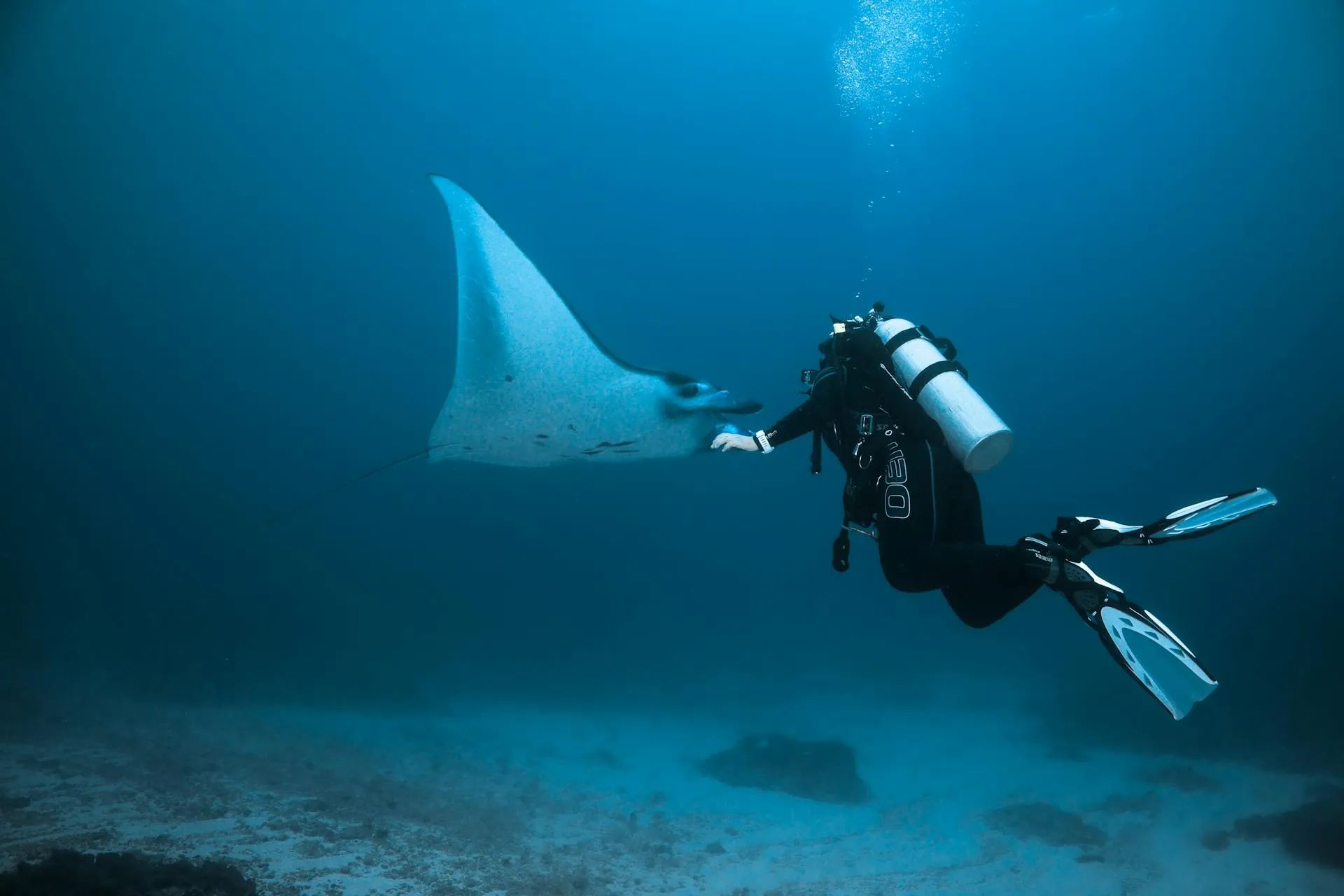
- Avoid touching marine life
- Maintain proper fin control
- Leave no trash behind
Respecting the ocean keeps divers safe and preserves ecosystems.
Scuba diving safety depends on preparation, awareness, and discipline. By following established guidelines and maintaining a cautious mindset, divers at every level can enjoy safe, memorable underwater experiences. Safety is not a limitation—it’s the foundation of great diving.